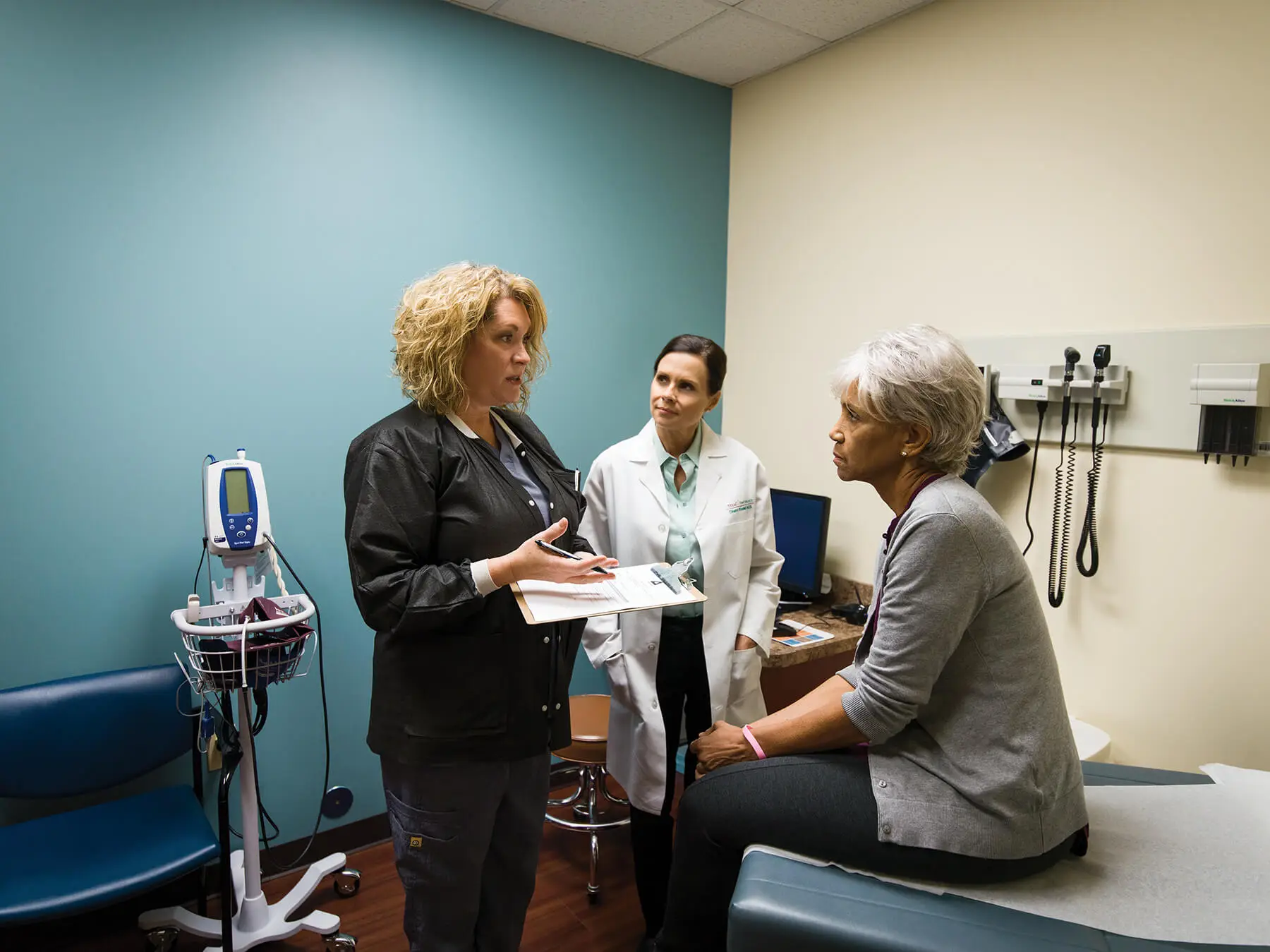
The practice strengthens its independence, enhancing care and operational efficiency, while The Network expands into a new service area
THE WOODLANDS, Texas, July 10, 2023 — The US Oncology Network (The Network), the largest organization of its kind dedicated to advancing local cancer care and better patient outcomes, announced today that Cancer Center of Kansas (CCK) has joined The Network, effective July 1, 2023, by entering into a new managed services partnership. This addition expands The Network’s service area into Kansas and continues its strong growth trajectory with nearly 240 providers joining The Network since the beginning of the calendar year.
“Cancer Center of Kansas has been a long-time McKesson customer, and we are excited to enhance our relationship with these highly-skilled cancer specialists by welcoming them into The Network,” said Jason Hammonds, president, The US Oncology Network. “The addition of the practice extends our reach of comprehensive services into Kansas while offering the practice innovative solutions, technologies, and expertise that will help them remain viable in today’s complex healthcare landscape.”
A leading cancer provider across Kansas for more than 40 years, CCK is and will remain the largest physician-owned, independent practice in the state with 13 physicians and six advanced practice providers delivering care from 20 sites of service. CCK brings high-quality cancer care to rural areas in Kansas through a committed and dedicated team of over 300 employees, including more than 90 nurses, so patients can receive the very latest advancements in cancer treatments and research in the communities where they live and work.
By becoming a member of The Network, CCK gains access to a wealth of resources that will strengthen its ability to deliver high-quality community cancer care while remaining independent. As part of The Network, the practice greatly increases opportunities for their patients to participate in clinical trials, as The Network is a worldwide leader in cancer research.
“The US Oncology Network is a perfect fit for us, as we have a shared commitment to clinical research,” said Shaker R. Dakhil, MD, FACP, practice president, Cancer Center of Kansas. “We will be collaborating with like-minded individuals in The Network who are dedicated to advancing cancer care with the goal of discovering new therapies for those facing this difficult disease.”
Cancer Center of Kansas can utilize the substantial resources of The Network, an integrated and supportive organization dedicated to helping providers maintain their independence and prosper in today’s challenging environment. Additionally, CCK’s clinical staff can collaborate with their colleagues across The Network, tapping into the collective knowledge and experience of more than 2,300 independent providers across the U.S.
“We are committed to continuing to bring the very latest cancer care and research to the state of Kansas,” said Dr. Dakhil. “Joining The Network provides us innovative clinical and business consulting services and advanced technologies that will help us succeed in today’s complex value-based environment.”
About The US Oncology Network
Every day, The US Oncology Network (The Network) helps more than 2,300 independent providers deliver value-based, integrated care to patients — close to home. Through The Network, these independent doctors come together to form a community of shared expertise and resources dedicated to advancing local cancer care and to delivering better patient outcomes. The Network provides practices with access to coordinated resources, best business practices, and the experience, infrastructure, and support of McKesson Corporation. This collaboration allows the providers in The Network to focus on the health of their patients, while McKesson focuses on the health of their practices. The Network is committed to the success of independent practices, everywhere.
About Cancer Center of Kansas
For over 40 years, Cancer Center of Kansas (CCK) has provided the latest and highest quality cancer care to patients across Kansas. The practice specializes in the treatment of all types of cancer and blood disorders, offering comprehensive services including diagnosis and treatment, blood and marrow transplants, research and clinical trials, diagnostic imaging, and advanced laboratory work. To simplify the care process, CCK has established an oral medications center to dispense oral oncolytics and supportive medicines from one convenient location. With 13 physicians and six advanced practice providers, CCK serves patients from 20 sites of service across the state, providing world-class cancer care, close to home.
Media Contact
The US Oncology Network
Claire Crye, Public Relations
281.825.9927 claire.crye@usoncology.com
###
The US Oncology Network shares additional research on how certain aspects of the Enhancing Oncology Model could offer community practices financial protection and how machine learning can increase access to care
THE WOODLANDS, Texas, June 5, 2023 — Principal investigators from The US Oncology Network (The Network), the largest organization of its kind dedicated to advancing local cancer care and better patient outcomes, presented findings at the 2023 American Society of Clinical Oncology (ASCO) Annual Meeting showing that dose rounding resulted in less drug waste and increased cost savings.
Waste from partially used single dose vials of expensive drugs is a leading contributor to avoidable total cost of care (TCOC) expenditures. In response, a dose-rounding program was adopted by many practices in The Network participating in the Centers for Medicare & Medicaid Innovation (CMMI) Oncology Care Model (OCM), a program aimed at providing higher quality and more coordinated care at the same or lower cost to Medicare. Investigators looked at data accumulated prior to and after the dose rounding program began in 2018 and researched the impact of the program targeting bevacizumab and its biosimilars (B+B) on TCOC and drug waste. They found:
- Drug waste led to $156 of additional TCOC per member episode per month prior to implementation of dose rounding.
- Dose rounding resulted in a TCOC reduction of approximately $100 per member episode per month for episodes with B+B administrations in the OCM.
- The highest waste reduction was seen with B+B administered for treatment of gastrointestinal cancers (colon, rectal, anal, gastroesophageal, or pancreatic cancers) compared to other cancer types (lung, brain, ovarian, etc.), and in administrations where drug waste was greater than 10% of the total dose.
“These findings provide tangible evidence and insights for community oncologists, so they can reduce avoidable waste and spending and deliver value-based care for their patients and their practices,” said lead author and presenter Puneeth Indurlal, MD, MS, MBBS, senior director of Care Transformation for The US Oncology Network. “It’s encouraging to see proof that feasible measures can be taken by practices that make a huge difference on the quality and cost of care.”
Beyond this research, The Network presented two additional studies at the meeting examining how the Enhancing Oncology Model could offer financial protection against increasing drug costs and how a machine learning model could improve a patient’s access to care.
Impacting Medicare Programs with a Cancer-Specific Novel Therapy Adjustment
The Network researchers presented a poster reviewing claims and performance data from 14 practices in The Network participating in the OCM. This review looked at data from ten performance periods in the OCM, and investigators found that applying a novel therapy adjustment (NTA) at a cancer type level, rather than a population-based level, would have resulted in more instances where practices would have qualified for an adjustment of their benchmark to appropriately align the use of novel therapies with cost. Novel therapies generally come with increased expense, leading to concerns that the EOM could discourage use of novel therapies. CMMI implemented a NTA to provide financial protection to help support appropriate use of these costly therapies.
“The Network undertook this research to support practices that were considering participation in the Enhancing Oncology Model,” said lead author and presenter Erica Feinberg, PharmD, BCPS, senior clinical data analyst for The US Oncology Network. “More than 900 physicians in The Network participated in the Oncology Care Model — one fourth of the entire population of physicians nationwide. Based on our analysis, we believe that the EOM approach to NTAs applied at a cancer type level is more favorable for practices and provides valuable financial protections when incorporating clinically appropriate novel therapies for cancer treatment. We commend CMMI for making improvements to the NTA risk adjustment methodology and think this information is very helpful for those practices as they assess joining the EOM.”
Predicting Treatment Initiation with a Machine Learning Model
This study found that a machine learning model, developed by The Network to predict intravenous IV treatment initiation among new patients, would allow for targeted interventions for key populations with the goal to improve access to care. Researchers built and applied a machine learning model on data from a cohort of new cancer patients from 27 practices in The Network to evaluate various patient characteristics and their impact on patients initiating IV treatment. Researchers found that clinical characteristics, including diagnosis and stage, are the most important features to predict the patient decision to initiate IV treatment, while noting patient age and gender features as areas for focused intervention. This study confirmed that a machine learning model could guide patient service and direct personalized care navigation to enhance patient access to treatment.
“Every day, The Network, a leader in value-based cancer care, helps more than 2,300 independent providers deliver high-quality, integrated care to patients—close to home,” said Lalan Wilfong, MD, senior vice president of Payer and Care Transformation for The Network who participated in an ASCO case-based panel on payment reform. “Value-based care is here to stay, and the smooth transition from a fee-for-service to a value-based model has become critical to the survival of the community oncology practice. The Network provides independent practices with access to coordinated resources, best business practices, and actionable research, like that presented at this year’s ASCO, to help make that transition.”
About the studies
Dose rounding bevacizumab and its biosimilars to reduce drug waste in the oncology care model in a community oncology network (ASCO poster)
Claims data for 14 practices in The Network participating in the OCM were assessed. Drug administration data for B+B was used to evaluate drug waste, total dose, TCOC, dose rounding, and the financial impact of drug waste reduction on TCOC from 2017 to 2021.
The impact of a cancer-specific novel therapy adjustment (NTA) in Medicare value-based care programs: A simulation exercise (ASCO poster)
Claims and performance data from ten performance periods (PP) in the OCM (PP1 to PP10) for 14 practices in The US Oncology Network were reviewed. Descriptive statistics for the simulation were evaluated to determine changes from population-based NTA to cancer-based NTA. The OCM NTA methodology was deconstructed to apply the NTA at a cancer type level. Researchers performed a simulation exercise by applying cancer specific NTA methodology systematically to the claims and performance data. They then evaluated the impact of NTA on the EOM cancer types.
A machine learning model to predict treatment initiation among new patients in a community oncology network (ASCO publication)
A retrospective cohort was formed by identifying new patients with cancer from 27 practices in The Network between July 1, 2021, and June 30, 2022. Structured data were extracted and processed from the electronic health records, claims, physician referrals, and the American Community Survey. Patient characteristics included demographics, clinical information, payor types, and socioeconomic status. The referral pattern and the geographic region of practices, and the provider workload were considered as well. Gradient-boosted decision trees, random forest, neural network, and logistic regression models were developed to predict the probability of starting IV treatment within 90 days of the first visit. Model performance was evaluated based on the area under the receiver operating characteristic (AUROC) curve using cross-valuation and 4:1 training/validation random split. Shapley Additive Explanations (SHAP) values were applied to the model to explain feature importance.
About The US Oncology Network
Every day, The US Oncology Network (The Network) helps approximately 2,300 independent providers deliver value-based, integrated care to patients — close to home. Through The Network, these independent doctors come together to form a community of shared expertise and resources dedicated to advancing local cancer care and to delivering better patient outcomes. The Network provides practices with access to coordinated resources, best business practices, and the experience, infrastructure, and support of McKesson Corporation. This collaboration allows the providers in The Network to focus on the health of their patients, while McKesson focuses on the health of their practices. The Network is committed to the success of independent practices, everywhere.
About McKesson Oncology and Specialty Solutions
It’s an unprecedented time for patients living with cancer as life sciences companies race to create new, cutting-edge therapies. With cancer care becoming more targeted, providers, life sciences companies, and payers face a multitude of challenges and complexity in the development of new treatments and making them accessible to patients in need. At McKesson, our unmatched portfolio of oncology businesses and partners provide research, insights, technologies, and services that are helping to address these hurdles and improve cancer and specialty care.
- McKesson is fueling discovery by helping patients participate in cutting-edge clinical trials closer to home through the joint venture between US Oncology Research and Sarah Cannon Research Institute.
- The US Oncology Network and McKesson Provider Solutions are advancing specialty care and high-quality cancer care in the communities where patients live by supporting the practices of thousands of independent, community-based providers.
- Ontada®, a McKesson business dedicated to oncology, generates real-world data (RWD) and real-world evidence (RWE) and provides clinical education and provider technology to inform and improve cancer care.
- As one of the largest distributors of oncology and specialty medicines, we are ensuring medicines make their way to the those who are counting on them.
- And through CoverMyMeds, Biologics by McKesson, and GPO services, our work continues to help patients access, afford, and adhere to their medicines.
Media Contact
The US Oncology Network
Claire Crye, Public Relations
281.825.9927 claire.crye@usoncology.com
###
Becoming a member of The Network enables growth opportunities for community practices, promoting high-quality, independent oncology care
THE WOODLANDS, Texas, April 6, 2023 — The US Oncology Network (The Network), the largest organization of its kind dedicated to advancing local cancer care and better patient outcomes, announced that Regional Cancer Care Associates (RCCA) entered into a strategic relationship with The Network effective April 1, 2023. RCCA has more than 20 sites of service located throughout New Jersey, Maryland, Connecticut, and the Washington, D.C. area. The practice’s 94 physicians and 59 advanced practice providers (APPs) offer medical, radiation, and gynecologic oncology and hematology care in addition to genetic testing, specialty pharmacy services, and clinical trials.
“Regional Cancer Care Associates is a perfect fit for The US Oncology Network as both organizations seek to put the patient first,” said Jason Hammonds, president, The US Oncology Network. “With like-minded goals to enhance care and the patient experience, and grow the practice and its services, RCCA and The Network are enthusiastic about working together.”
RCCA will now have access to the substantial expertise and ample resources of The Network. The practice’s clinical staff will collaborate with their colleagues across The Network, adding to the collective knowledge and experience of more than 2,300 independent providers across the U.S. Additionally, RCCA will leverage The Network’s clinical and business consulting services and innovative technologies that support high-quality patient care, efficient drug management, and revenue cycle optimization.
“We take great pride in being an independent practice that provides cutting-edge treatments in a community setting,” said Terrill Jordan, president and chief executive officer, RCCA. “It’s important to our dedicated providers and staff to collaborate with an organization that can deliver the resources that help us grow, thrive, and succeed, all while empowering us to retain our independence. For two years, we worked with Cross Keys Capital, The Bloom Organization, and Arnold & Porter to conduct a comprehensive search to find a strategic partner that shares our vision and values. We confidently entered into partnership with The US Oncology Network and look forward to executing on our shared commitment to grow our services and footprint in order to bring quality care to more communities.”
The physicians and APPs of RCCA are among many who have recently joined The US Oncology Network. Within the last year, The Network, supported by McKesson Corporation, has welcomed more than 450 new providers into the organization. This continued growth trajectory is significantly increasing the availability of advanced cancer care in local communities from strong, viable, and independent practices.
###
About The US Oncology Network
Every day, The US Oncology Network (The Network) helps approximately 2,300 independent providers deliver value-based, integrated care to patients — close to home. Through The Network, these independent doctors come together to form a community of shared expertise and resources dedicated to advancing local cancer care and to delivering better patient outcomes. The Network provides practices with access to coordinated resources, best business practices, and the experience, infrastructure, and support of McKesson Corporation. This collaboration allows the providers in The Network to focus on the health of their patients, while McKesson focuses on the health of their practices. The Network is committed to the success of independent practices, everywhere.
About Regional Cancer Care Associates
Since 2012, Regional Cancer Care Associates (RCCA) has brought the latest in treatment for cancer and blood disorders to its community, where oncology and hematology specialists know and practice alongside the patient’s other doctors, and take the time needed to know the patient, to develop a highly individualized treatment plan, and to address all questions and concerns. With more than 20 locations throughout New Jersey, Connecticut, Maryland, and the Washington, D.C. area, RCCA’s cancer and blood disorder specialists offer world-class care close to home, so that patients can focus on the most important thing in the world – their health.
Eight custom measures receive approval, impacting value-based oncology care
IRVING, Texas, Feb. 15, 2023 — For the seventh consecutive year, McKesson has received approval from The Centers for Medicare & Medicaid Services (CMS) to participate in the Merit-based Incentive Payment System (MIPS) as a Qualified Clinical Data Registry (QCDR). The designation enables iKnowMed℠ electronic health record (EHR) users to efficiently submit data directly to CMS without engaging a separate registry vendor, streamlining data submission and minimizing administrative burden.
As a CMS-approved QCDR, Practice Insights℠, a performance analytics tool powered by Ontada®, can collect and report clinical data on behalf of clinicians for standard MIPS with the additional ability to report on custom QCDR quality measures to drive improvements in quality and cost of care.
“We are committed to delivering industry-leading solutions that enable community oncology to efficiently meet the challenges value-based care presents,” said Susan Shiff, president, Ontada. “Having Practice Insights named an approved QCDR is a critical part of this ongoing effort. This powerful analytics tool creates a holistic roadmap that supports the clinical, financial, and operational needs of practices, providing actionable insights that drive improved outcomes and enable them to assess performance across value-based initiatives.”
Six custom QCDR measures identified by physician leaders in The US Oncology Network (The Network) and submitted by McKesson were approved by CMS. Additionally, CMS approved two custom measures developed by the American Society of Clinical Oncology (ASCO) that will also be supported by McKesson’s QCDR. Combined, they include:
- Advance Care Planning in Metastatic Cancer Patients
- Hepatitis B Serology Testing and Prophylactic Treatment Prior to Receiving Anti-CD20 Targeting Drugs
- Mutation Testing for Stage IV Lung Cancer Completed Prior to the Start of Targeted Therapy
- Patient-Reported Pain Improvement
- Supportive Care Drug Utilization in Last 14 Days of Life
- Utilization of GCSF in Metastatic Colorectal Cancer (Also included in the Advancing Cancer Care MVP)
- Antiemetic Therapy for Low- and Minimal-Emetic-Risk Antineoplastic Agents in the Infusion Center – Avoidance of Overuse (Developed by ASCO)
- Appropriate Antiemetic Therapy for High- and Moderate-Emetic-Risk Antineoplastic Agents in the Infusion Center (Developed by ASCO)
“While this is the seventh straight year McKesson has gained approval for its oncology-specific QCDR, this year is different from the past as McKesson collaborated with ASCO on several fronts to drive innovation and improved care for oncology patients,” said Erin Crum, director of Quality Portfolio Strategy, McKesson. “In addition to our collaboration on the QCDR measures, we also worked with ASCO to develop an oncology-specific MIPS Value Pathway (MVP) proposal to present to CMS. Collaborating with ASCO to send recommendations for CMS’s final 2023 Advancing Cancer Care MVP was a significant honor. We are proud of what we’ve been able to do together to push cancer care forward.”
Along with The US Oncology Network, McKesson also supports oncology practices through its Onmark® group purchasing organization (GPO), and the QCDR measure approvals reflect the organization’s insight into the entire landscape of oncology care.
###
About McKesson Corporation
McKesson Corporation is a diversified healthcare services leader dedicated to advancing health outcomes for patients everywhere. Our teams partner with biopharma companies, care providers, pharmacies, manufacturers, governments, and others to deliver insights, products, and services to help make quality care more accessible and affordable. Learn more about how McKesson is impacting virtually every aspect of healthcare at McKesson.com and read Our Stories.
About The US Oncology Network
Every day, The US Oncology Network (The Network) helps more than 2,000 independent providers deliver value-based, integrated care to patients — close to home. Through The Network, these independent doctors come together to form a community of shared expertise and resources dedicated to advancing local cancer care and to delivering better patient outcomes. The Network provides practices with access to coordinated resources, best business practices, and the experience, infrastructure, and support of McKesson Corporation. This collaboration allows the providers in The Network to focus on the health of their patients, while McKesson focuses on the health of their practices. The Network is committed to the success of independent practices, everywhere.
About Ontada
Ontada® is an oncology real-world data and evidence, clinical education and provider technology business dedicated to transforming the fight against cancer. Part of McKesson Corporation, we support science through our data, technology, and channels, which accelerate innovation for life science companies, support the education of community oncology providers and advance patient care. Together with our partners, we improve the lives of cancer patients. For more information, visit ontada.com or follow @OntadaOncology.
Media Contact
McKesson
Claire Crye, Public Relations
281.825.9927 claire.crye@mckesson.com
The Network enhances its commitment to providing better care close to home, while practices gain resources to advance quality care and operational efficiency
IRVING, Texas, Jan. 17, 2023 — The US Oncology Network (The Network), the largest organization of its kind dedicated to advancing local cancer care and better patient outcomes, continues to expand its footprint into local communities with the addition of two large multidisciplinary practices, Epic Care and Nexus Health, effective January 1, 2023. Epic Care currently has 21 sites of service located throughout the Northern California Bay Area, with 47 physicians, including medical oncologists, radiation oncologists, multispecialty surgeons, and other expert providers. Nexus Health has 9 physicians in Santa Fe, New Mexico, representing a wide range of specialties, with plans for expansion in progress.
“We are excited to welcome Epic Care and Nexus Health to The Network,” said Jason Hammonds, president, The US Oncology Network. “With the addition of these well-respected multidisciplinary practices, we are entering new communities and expanding our ability to empower high-quality care that benefits patients, as well as physicians. The wide range of specialties these practices offer enables more comprehensive care, helping to ensure patients can conveniently receive the care they need in their local areas during their entire healing journey.”
Epic Care and Nexus Health will now have access to the expertise and vast resources of The Network that empower practices to succeed during the challenging transition to value-based care. They can utilize The Network’s industry-leading clinical pathways that provide evidence-based treatment options based on efficacy, toxicity, and cost, reducing treatment variability while driving better outcomes and more predictable costs. Providers can also collaborate with their colleagues across The Network, tapping into the collective knowledge and experience of more than 2,000 providers and leverage The Network’s clinical and business consulting services and innovative technologies that support high-quality care, efficient drug management, and revenue cycle optimization.
“By uniting with The US Oncology Network, Epic Care will continue to deliver on our mission of providing a comprehensive patient experience close to home, but now with the backing of one of the largest community oncology networks in the nation,” said Uma Swamy, MD, chief executive officer, Epic Care. “Not only will we have more access to novel, cutting-edge treatments for our patients, we also will gain vast resources and expertise, enabling us to thrive and remain independent during these challenging times.”
Epic Care began more than 30 years ago as a small group of independent hematologists and oncologists and quickly grew into a dynamic, multispecialty organization of 47 physicians located throughout the Northern California Bay Area. Besides the practice’s widely known and highly respected medical oncology, radiation oncology, and hematology services, many other specialties are available, including family and internal medicine, breast health and surgery, general surgery, bariatric (weight-loss) surgery, endocrinology, infectious disease, and plastic and reconstructive surgery. Additionally, other services including lab, theranostics, and diagnostic imaging such as MRI and PET/CT are also available.
“By joining The Network, we strengthen our ability to deliver specialty services in a community setting, giving more patients convenient access to better care,” said Scott Herbert, MD, practice president, Nexus Health. “The organization’s clinical and business expertise, as well as The Network’s technologies, enable high-quality patient care that will help us succeed now and long into the future as we expand our service offerings.”
Nexus Health provides a wide range of specialty care, including oncology, orthopedics, infusion services, and lab operations with the goal of expansion. In 2023, Nexus Health plans to add urology, gynecology, hospitalist medicine, and radiation oncology to the group. The following year, other critical specialties are expected to be added, such as radiology, primary care, breast surgery, gastroenterology, cardiology, pulmonology, physical therapy, nephrology, neurosurgery, and gynecologic oncology. Nexus Health will also look to make visiting specialties, such as bone marrow and liver transplant services, available through the practice.
The physicians of Epic Care and Nexus Health are among many who have recently joined The US Oncology Network. In 2022, The Network, supported by McKesson Corporation, welcomed more than 280 new physicians and advanced practice providers into the organization, substantially increasing the availability of advanced cancer care in local communities while strengthening these providers’ ability to remain independent and viable. This trajectory of strong growth is expected to continue in 2023, driven by the increasing complexity of the value-based landscape.
###
About The US Oncology Network
Every day, The US Oncology Network (The Network) helps approximately 1,400 independent physicians deliver value-based, integrated care to patients — close to home. Through The Network, these independent doctors come together to form a community of shared expertise and resources dedicated to advancing local cancer care and to delivering better patient outcomes. The Network provides practices with access to coordinated resources, best business practices, and the experience, infrastructure, and support of McKesson Corporation. This collaboration allows the providers in The Network to focus on the health of their patients, while McKesson focuses on the health of their practices. The Network is committed to the success of independent practices, everywhere.
Media Contact
McKesson
Claire Crye, Public Relations
281.825.9927 claire.crye@mckesson.com
More than 40 investigators from the newly combined research network to present data from clinical trials focused on treating blood cancer and other blood disorders
Nashville, Tenn. & The Woodlands, Texas (Dec. 9, 2022) – Sarah Cannon Research Institute (SCRI), US Oncology Research (USOR), and Ontada announced that collectively more than 65 affiliated abstracts and presentations will be highlighted at the American Society of Hematology (ASH) Annual Meeting & Exposition from Dec. 10-13. The meeting brings together thought leaders from across the globe to discuss innovative research in malignant and non-malignant blood cancers.
In November 2022, McKesson and HCA Healthcare formed a joint venture combining SCRI with USOR, the research arm of The US Oncology Network (The Network). The collaboration brings together physicians who are actively accruing patients to clinical trials at more than 250 locations in 26 states across the U.S. More than 40 investigators from the newly combined joint venture will present insights at this year’s Annual Meeting. Separately, Ontada, McKesson’s oncology real-world data and evidence, clinical education, and provider technology business, is also presenting a poster at the conference.
“We look forward to discussing meaningful advancements in blood cancer treatments, CAR T-Cell Therapy, immune effector cell and said Howard A. “Skip” Burris, III, MD, President, SCRI. “SCRI and USOR researchers have been collaborating on pivotal research studies for years, and we are excited to see the greater impact we can make together as one team.”
Featured presentations include:
Haydar Frangoul, MD, MS, Sarah Cannon Pediatric Hematology/Oncology & Cellular Therapy Program at TriStar Centennial Medical Center, will highlight “Efficacy and Safety of a Single Dose of Exagamglogene Autotemcel for Severe Sickle Cell Disease” through an oral presentation on Saturday, Dec. 10 at 10:45 a.m. CST.
Ian Flinn, MD, PhD, SCRI at Tennessee Oncology, and Jason Melear, MD, Texas Oncology – a practice in The Network, are co-authors on an oral presentation titled, “Brentuximab Vedotin, Nivolumab, Doxorubicin, and Dacarbazine (AN+AD) for Advanced Stage Classic Hodgkin Lymphoma: Updated Efficacy and Safety Results from the Single-Arm Phase 2 Study (SGN35-027 Part B),” taking place on Saturday, Dec. 10 at 4:15 p.m. CST.
Jesus Berdeja, MD, SCRI at Tennessee Oncology, is senior author along with Tara Gregory, MD, Colorado Blood Cancer Institute, co-author, on an oral presentation titled, “Clinical Activity of BMS-986393 (CC-95266), a G Protein– Coupled Receptor Class C Group 5 Member D (GPRC5D)– Targeted Chimeric Antigen Receptor T Cell Therapy, in Patients with Relapsed and/ or Refractory Multiple Myeloma: First Results from a Phase 1, Multicenter, Open-Label Study,” taking place on Saturday, Dec. 10 at 4:45 p.m. CST.
A full list of presentations can be found here. Investigators highlighting research at this year’s ASH Annual Meeting & Exposition represent studies being conducted across SCRI, Sarah Cannon Transplant & Cellular Therapy Network, US Oncology Research, as well as partners from McKesson’s The US Oncology Network and Ontada.
About Sarah Cannon Research Institute
Sarah Cannon Research Institute (SCRI) is one of the world’s leading oncology research organizations conducting community-based clinical trials. In 2022, SCRI formed a joint venture with US Oncology Research to enhance clinical trial access and availability across the country. Focused on advancing therapies for patients over the last three decades, SCRI is a leader in drug development. It has conducted more than 600 first-in-human clinical trials since its inception and contributed to pivotal research that has led to the majority of new cancer therapies approved by the FDA today. SCRI’s research network brings together physicians who are actively accruing patients to clinical trials at more than 250 locations in 26 states across the U.S. Please click here to earn more about our research offerings.
About The Sarah Cannon Transplant & Cellular Therapy Network
The Sarah Cannon Transplant & Cellular Therapy Network offers adult and pediatric patients convenient and community-based access to treatments for blood cancer and blood and immune-related disorders, including hematopoietic cell transplantation and cellular therapy. Our Network of nine FACT/JACIE accredited transplant centers across the United States and United Kingdom treats more than 1,500 transplant and cellular therapy patients and 1,800 acute leukemia patient admissions annually. Emphasis is placed on providing high-quality research-based care with the opportunity for patients to enroll on innovative clinical trials. For more information about the Sarah Cannon Transplant & Cellular Therapy Network, visit sarahcannon.com.
About The US Oncology Network
Every day, The US Oncology Network (The Network) helps approximately 1,400 independent physicians deliver value-based, integrated care to patients – close to home. Through The Network, these independent doctors come together to form a community of shared expertise and resources dedicated to advancing local cancer care and to delivering better patient outcomes. The Network provides practices with access to coordinated resources, best business practices, and the experience, infrastructure and support of McKesson Corporation. This collaboration allows the providers in The Network to focus on the health of their patients, while McKesson focuses on the health of their practices. The Network is committed to the success of independent practices, everywhere.
About Ontada
Ontada® is an oncology real-world data and evidence, clinical education and provider technology business dedicated to transforming the fight against cancer. Part of McKesson Corporation, we support science through our data, technology and channels, which accelerate innovation for life science companies, support the education of community oncology providers and advance patient care. Together with our partners, we improve the lives of cancer patients. For more information, visit ontada.com.
Media Contacts
Sarah Cannon Research Institute
Hayley Lyons
hayley.lyons@sarahcannon.com
The US Oncology Network, USOR, & Ontada
Claire Crye
Claire.Crye@mckesson.com
281.825.9927
###
Speakers will focus on clinical, cost and access topics that create value in oncology
IRVING, Texas, Oct. 18, 2022 — Thought leaders from McKesson will play a major role in the upcoming 2022 Association for Value-Based Cancer Care (AVBCC) Summit, speaking on a wide range of topics that showcase their extensive knowledge of the changing healthcare landscape and oncology’s transformation to value-based care. The Summit, to be held Oct. 19-21, 2022, in New York City, is an invitational forum that provides invaluable access to more than 200 diverse experts representing every stakeholder of the cancer care ecosystem.
“Staying ahead of the rapidly evolving landscape is challenging, and events like this greatly help, bringing together some of the best practices and ideas we can share to improve practice sustainability, clinical research and cancer care,” said Lalan Wilfong, MD, vice president, Payer Relations & Practice Transformation, The US Oncology Network. “We are committed to being at the forefront of value-based care and are excited to have the opportunity to collaborate with other thought leaders at this important meeting.”
Summit participants will gain insights from a diverse range of practitioners, pharmacists, payers, policymakers and other key stakeholders who are nationally recognized in their fields. Attendees will learn strategies on how to stay competitive in the ever-changing field of oncology, explore cutting-edge methodologies enabling value-based care that can rapidly be implemented, and gain access to timely and accurate information from reliable sources to empower good decision-making. It facilitates achievable change by providing a forum for payers, providers and the entire oncology team to network and evaluate value in terms of quality, cost and impact on patient care and outcomes.
McKesson is represented at the Summit by several of its experts, speaking on a diverse array of topics including value-based agreements, oncology drug trends, pathways and decision support models. Summit sessions featuring affiliated speakers as panelists are:
- Headwinds and Tailwinds Ahead for Value-Based Agreements (Oct. 19, 8:30 a.m.-9:30 a.m.)
- Lalan Wilfong, MD, vice president, Payer Relations & Practice Transformation, The US Oncology Network
- Succeeding in Value-Based Payment Arrangements: ASCO’s Patient Centered Cancer Care Certification Pilot (Oct. 19, 10:30 a.m.-11:30 a.m.)
- Matthew Skelton, MD, oncologist and physician champion for value-based care, Blue Ridge Cancer Care, a practice in The US Oncology Network
- Legal and Regulatory Issues Surrounding Value-Based Agreements (Oct. 19, 2:15 p.m.-3:15 p.m.)
- Ben Jones, vice president, Government Relations & Public Policy, The US Oncology Network
- Lessons Learned from OCM That Should Be Incorporated into EOM and Future Cancer Care Models (Oct. 20, 9:45 a.m.-10:45 a.m.)
- Marcus Neubauer, MD, chief medical officer, The US Oncology Network
- How Long is the Last Mile? Real-World Evidence’s Vast Potential and Challenges in Oncology (Oct. 20, 3:15 p.m.-4 p.m.)
- Viraj Narayanan, chief commercial officer, Ontada
- Utilization of Pathways in Precision Medicine to Impact Patient Care (Oct. 21, 8 a.m.-9 a.m.)
- Ira Zackon, MD, senior medical director, Ontada
- The Impact Pathways Have on Outcomes and Value (Oct. 21, 10 a.m.-11 a.m.)
- Lalan Wilfong, MD, vice president, Payer Relations & Practice Transformation, The US Oncology Network, and Marcus Neubauer, MD, chief medical officer, The US Oncology Network
- Oncology Drug Supply Channels and the Move to Smart Networks and Supporting Value-Based Agreements (Oct. 21, 10 a.m.-11 a.m.)
- Heather Morel, PhD, president, Provider Solutions, McKesson
- Practice Transformation Through Value-Based Analytics (Oct. 21, 11 a.m.-12 p.m.)
- Lalan Wilfong, MD, vice president, Payer Relations & Practice Transformation, The US Oncology Network
- Payer and Provider Innovative Value-Based Agreement (Oct. 21, 2 p.m.-2:45 p.m.)
- Rhonda Henschel, senior director, Payer Solutions, The US Oncology Network, and Jay Scott, director, Managed Care, Minnesota Oncology, a practice in The US Oncology Network
- AI and ML Decision Support Models (Oct. 21, 2 p.m.-2:45 p.m.)
- Ira Zackon, MD, senior medical director, Ontada
The live event is invitation-only, limiting the number of guests to adhere to COVID-19 safety guidelines; however, there will be a virtual simulcast of the entire Summit for those who cannot attend in person.
###
About McKesson Corporation
McKesson Corporation is a diversified healthcare services leader dedicated to advancing health outcomes for patients everywhere. Our teams partner with biopharma companies, care providers, pharmacies, manufacturers, governments, and others to deliver insights, products and services to help make quality care more accessible and affordable. Learn more about how McKesson is impacting virtually every aspect of healthcare at McKesson.com and read Our Stories.
About The US Oncology Network
Every day, The US Oncology Network (The Network) helps approximately 1,400 independent physicians deliver value-based, integrated care to patients — close to home. Through The Network, these independent doctors come together to form a community of shared expertise and resources dedicated to advancing local cancer care and to delivering better patient outcomes. The Network provides practices with access to coordinated resources, best business practices, and the experience, infrastructure and support of McKesson Corporation. This collaboration allows the providers in The Network to focus on the health of their patients, while McKesson focuses on the health of their practices. The Network is committed to the success of independent practices, everywhere.
About Ontada
Ontada® is an oncology real-world data and evidence, clinical education and provider technology business dedicated to transforming the fight against cancer. Part of McKesson Corporation, we support science through our data, technology and channels, which accelerate innovation for life science companies, support the education of community oncology providers and advance patient care. Together with our partners, we improve the lives of cancer patients. For more information, visit ontada.com or follow @OntadaOncology.
Media Contact
Claire Crye, Public Relations
281.825.9927 claire.crye@mckesson.com
- Average monthly enrollment nearly doubled with pharmacy intervention
- Remote pharmacist easily adapted into clinic workflows in community practices
THE WOODLANDS, TEXAS, June 6, 2022 — Results from the second phase of the broad, collaborative MYLUNG ConsortiumTM research study in non-small cell lung cancer (NSCLC) were presented by The US Oncology Network (The Network), US Oncology Research and Ontada® at the 2022 American Society of Clinical Oncology (ASCO) Annual Meeting. The findings show that the incorporation of a remote oncology pharmacist in clinical research teams significantly enhanced patient enrollment for Protocol 2 of the MYLUNG Consortium.
“Advances in science are quickly enabling new treatment opportunities, but timely enrollment into clinical trials continues to be a challenge,” said Elizabeth Koselke, PharmD, senior clinical pharmacist for The Network. “Our study showed that by incorporating an oncology-trained clinical pharmacist to remotely review chemotherapy regimens and a customized recruitment report, we were able to more efficiently screen patients and significantly enhance Protocol 2 enrollment.”
Koselke presented the findings during an oral presentation at ASCO titled, “Impact of oncology clinical pharmacist intervention on clinical trial enrollment in The US Oncology Network ’s MYLUNG Consortium.”
In the study, oncology-trained clinical pharmacists reviewed over an eight-month period 506 newly diagnosed and untreated NSCLC patients from six practices in The Network. Working remotely, the pharmacist reviewed chemotherapy regimen orders and identified, screened and assisted with recruitment of eligible patients for enrollment in MYLUNG Consortium Protocol 2. Working remotely enabled the pharmacists to identify patients quickly across the country who were potential candidates for the study. Enrollments and intervention data were then tracked to monitor the impact of the pharmacist intervention. The study showed that average monthly enrollment was significantly greater after pharmacist intervention (6.6 patients a month per practice) when compared to monthly enrollment before pharmacist intervention (3.4 patients a month per practice).
“These data show that using an interdisciplinary approach to trial enrollment can be an effective method to increase speed and efficiency in real-world clinical research,” noted Robert L. Coleman, MD, FACOG, FACS, chief scientific officer of US Oncology Research and the MYLUNG Consortium Principal Investigator. “As we move into Protocol 3 of the MYLUNG Consortium study, we look forward to continuing to validate pharmacist intervention across a wider spectrum of practices across The Network.”
An additional study at ASCO 2022 took a further look at the MYLUNG Consortium Protocol 1 results that were first presented at ASCO 2021. These initial findings reported that fewer than 50 percent of metastatic non-small cell lung cancer patients had the recommended biomarker tests.
In a poster presentation titled, “Predictors of biomarker testing among patients (pts) with metastatic non-small cell lung cancer (mNSCLC),” MYLUNG Consortium researchers examined the social and economic factors associated with biomarker undertesting. The research found that lower comprehensive biomarker testing rates were associated with patients who were of the African American race, seen in a smaller practice size or in a practice in the southern part of the United States, or had squamous cell histology.
“This retrospective analysis took the previously reported research from Protocol 1 and further examined the patient factors that are associated with a lack of biomarker testing,” said Dr. Nicholas Robert, chief medical officer of Ontada. “Understanding these clinical and social determinants of health will be important interventions to improve testing rates as we enter into the prospective phases of the MYLUNG Consortium study.”
The MYLUNG Consortium is a collaborative and innovative research study comprised of three protocols over a five-year period, enabled through a unique collaboration of various organizations and stakeholders working together across the spectrum of NSCLC drug development, therapy and care. The number of consortium participants continues to grow, all bringing unique perspectives to this innovative study. The MYLUNG Consortium brings together providers and researchers in The Network, US Oncology Research and Ontada with life sciences companies Amgen, AstraZeneca, Eli Lilly and Company, Genentech (a member of the Roche Group), and Mirati Therapeutics, Inc. Patient advocacy groups LUNGevity and GO2 Foundation for Lung Cancer are also participating, playing a key role in the study by keeping the focus on patients. Participating practices in The Network include Illinois Cancer Specialists, Maryland Oncology Hematology, Minnesota Oncology, New York Oncology Hematology, Oncology Hematology Care, Rocky Mountain Cancer Centers, Texas Oncology , Southern Cancer Center, Virginia Cancer Specialists, Virginia Oncology Associates, Willamette Valley Cancer Institute and Research Center and Woodlands Medical Specialists.
Read more about the MYLUNG Consortium here. To schedule a media interview with one of the study investigators, contact Claire Crye at Claire.Crye@usoncology.com.
###
About The US Oncology Network
Every day, The US Oncology Network (The Network) helps approximately 1,400 independent physicians deliver value-based, integrated care to patients — close to home. Through The Network, these independent doctors come together to form a community of shared expertise and resources dedicated to advancing local cancer care and to delivering better patient outcomes. The Network provides practices with access to coordinated resources, best business practices, and the experience, infrastructure and support of McKesson Corporation. This collaboration allows the providers in The Network to focus on the health of their patients, while McKesson focuses on the health of their practices. The Network is committed to the success of independent practices, everywhere.
About US Oncology Research
US Oncology Research draws from a network of experienced investigators and dedicated clinical staff who specialize in oncology clinical trials. US Oncology Research serves approximately 60 research sites and 170 locations, managing about 500 active trials at any given time. For the past 20 years, physicians in the research network have enrolled more than 91,000 patients in approximately 2,000 trials and have played a role in over 100 FDA-approved cancer therapies. US Oncology Research is supported by McKesson Corporation.
About Ontada
Ontada® is an oncology real-world data and evidence, clinical education and provider technology business dedicated to transforming the fight against cancer. Part of McKesson Corporation, we support science through our data, technology and channels, which accelerate innovation for life science companies, support the education of community oncology providers and advance patient care. Together with our partners, we improve the lives of cancer patients. For more information, visit ontada.com or follow @OntadaOncology.
Key research highlights include presentations on lung and ovarian cancers, value-based care, health technologies and health disparities
THE WOODLANDS, Texas, June 3, 2022 — During the scientific program of the 2022 American Society of Clinical Oncology (ASCO) Annual Meeting, principal investigators from US Oncology Research, The US Oncology Network (The Network) and Ontada® will present detailed results from more than 80 studies. Presentations include 10 oral sessions on topics including lung and ovarian cancers, as well as research involving value-based care and the use of health technologies. The ASCO Annual Meeting, a leading conference delivering the latest in cancer science to the global community, will be held June 3-7, 2022 in Chicago.
“The oncology community is constantly transforming, and past discoveries provide rationale for the community structures we have today, but new challenges, like changes in the healthcare landscape, will always present themselves,” said Robert L. Coleman, MD, chief scientific officer, US Oncology Research. “The strengths of community-based research and dedication to improving patients’ outcomes and cancer care experience provide the tenacity needed to turn these challenges into opportunities. Our team of community-based researchers are committed to advancing research, offering ways for patients to receive care from virtual locations, and making access to leading treatments possible for a myriad of patients more than ever before.”
MYLUNG Consortium Data to be Highlighted in Two Presentations
Included in the research presentations during this year’s meeting will be findings from Protocol 2 of the Molecularly Informed Lung Cancer Treatment in a Community Cancer Network: A Pragmatic Consortium™ (MYLUNG Consortium) clinical trial platform in non-small cell lung cancer (Abstract #1503), which will be presented during an oral session by Elizabeth Koselke, PharmD, BCOP, senior clinical pharmacist with The Network. Protocol 2 of the study platform included an examination of an oncology clinical pharmacist on the research team and the impact on clinical trial enrollment. The abstract “Impact of oncology clinical pharmacist intervention on clinical trial enrollment in The US Oncology Network’s MYLUNG Consortium,” will be featured in the “Care Delivery and Regulatory Policy” session on Monday, June 6 at 4 p.m.
“This is one of the first studies that looked at the effectiveness of pharmacists in this role,” said Koselke. “Pharmacists are uniquely positioned to make an impact on all aspects of care, including potentially identifying a patient who may qualify for a clinical study. Enrolling clinical studies has become more challenging, and community research teams need to be more efficient when identifying potential candidates in order to generate meaningful advances at a faster rate. Our hope is that the impact seen within the MYLUNG Consortium will advance how we think and assemble clinical research teams.”
In addition to the oral presentation, Nicholas Robert, MD, chief medical officer of Ontada, will lead a poster presentation (Abstract #9004) from a retrospective study of MYLUNG Consortium Protocol 1. The abstract, “Predictors of biomarker testing among patients (pts) with metastatic non-small cell lung cancer (mNSCLC),” analyzes the impact of clinical and/or social factors (such as race, histology and clinical practice size) on undertested populations. These data will be presented during the “Lung Cancer—Non-Small Cell Metastatic” session, which will be held Monday, June 6 at 8 a.m.
Additional Featured Research Selected for Presentation
An oral presentation (Abstract #LBA5500) on a phase 3 study evaluating rucaparib monotherapy titled, “ATHENA–MONO (GOG-3020/ENGOT-ov45): A randomized, double-blind, phase 3 trial evaluating rucaparib monotherapy versus placebo as maintenance treatment following response to first-line platinum-based chemotherapy in ovarian cancer,” was co-authored by Dr. Coleman. These data will be presented during the “Gynecologic Cancer” session on Monday, June 6 at 8 a.m.
“Survivorship of women with advanced ovarian cancer has improved, primarily the result of two key agents, bevacizumab and the Poly (ADP-ribose) polymerase (PARP) inhibitors. In the ATHENA trial, we demonstrate the substantial efficacy and safety of a third agent (rucaparib) for primary maintenance treatment,” said Dr. Coleman. “Our team looks forward to presenting our findings involving PARP inhibitors and immune checkpoint inhibitors and their potential as therapeutic options for patients in this population.”
Alexander I. Spira, MD, PhD, FACP, director of the thoracic and Phase I program for Virginia Cancer Specialists, a practice in The Network, will have an oral presentation (Abstract #9002) on the effect of adagrasib (MRTX849) in patients with NSCLC titled, “KRYSTAL-1: Activity and safety of adagrasib (MRTX849) in patients with advanced/metastatic non-small cell lung cancer (NSCLC) harboring a KRASG12C mutation.” These data will be presented during the “Lung Cancer—Non-Small Cell Metastatic” session on Friday, June 3 at 1:24 p.m.
Additional key NSCLC data presentations involving Dr. Spira’s research include a late breaking abstract (#LBA9009) titled “Activity of adagrasib (MRTX849) in patients with KRASG12C-mutated NSCLC and active, untreated CNS metastases in the KRYSTAL-1 trial,” which is being held during the “Including the Excluded: Advancing Care for All Patients With Lung Cancer” clinical symposium on Monday, June 6 at 4:30 p.m. Dr. Spira was also involved in the research featured in (Abstract #9008), “Amivantamab in patients with NSCLC with MET exon 14 skipping mutation: Updated results from the CHRYSALIS study,” selected for oral presentation during the “Lung Cancer—Non-Small Cell Metastatic” session, which will be held on Friday, June 3 at 3:24 p.m.
“Immunotherapy research will ultimately lead to greater knowledge and more precise treatments for patients,” said Dr. Spira. “There is still so much to learn in the area of precision oncology and targeted therapies in NSCLC, and we are constantly working towards ways to develop new and effective therapies that can create better outcomes for patients. The vital research showcased in this clinical symposium and oral presentations on the effect of adagrasib (MRTX849) and amivantamab in patients with NSCLC will help inform the clinical development of these targeted therapies and explain their potential clinical utility and promise.”
Featured Health Technology-Related Research
An oral presentation (Abstract #1507) evaluating health technologies and their impact on quality of care and health disparities was co-authored by Debra Patt, MD, PhD, MBA, executive vice president of public policy, payer relations and strategic initiatives at Texas Oncology, a practice in The Network. The presentation titled, “Evaluating mass implementation of digital health solutions to improve quality and reduce disparities in a large multisite community oncology practice,” will be presented during the “Care Delivery and Regulatory Policy” session on Monday, June 6 at 5:12 p.m.
“Digital health solutions engage patients with our clinical teams and improve patient care,” said Dr. Patt. “These solutions reduce response time for symptomatic patients and improve transparency and health literacy improving the partnership between our clinical teams and the patients we serve. Digital health solutions are of great value for all patients, especially those classified as ‘at risk’. I am grateful to be part of a practice leading some of these important efforts.”
An abstract (#1521) evaluating the usage of a machine learning (ML) model titled “The initial outcome of deploying a mortality prediction tool at community oncology practices,” will be presented during the “Care Delivery and Regulatory Policy” poster session. The ML model predicted 90-day mortality risk for patients with metastatic cancer and was designed to facilitate earlier end-of-life discussions, including hospice care, with the patients. These results, researched by members of The US Oncology Network, will be delivered on Saturday, June 4 at 1:15 p.m.
“Aligning care at the end of life with patients’ goals and values helps reduce the likelihood of undesirable hospitalization, ICU stays and side effects of therapy,” said Ping Ye, PhD, a senior data scientist for The Network. “We deployed a predictive mortality tool to The Network practices to help physicians proactively initiate care discussions earlier with identified patients, allowing them access to care aligned with their wishes as they near life’s final stages.”
You can find the full schedule of affiliated data presentations from US Oncology Research, The US Oncology Network and Ontada including author details, here. For more information or to interview a trial investigator, contact Claire Crye at 281.825.9927 or Claire.Crye@usoncology.com, Edie DeVine at 209.814.9564 or Edie.DeVine@gcihealth.com, or Ryan Mathre at 651.335.2338 or Ryan.Mathre@mckessson.com.
###
About The US Oncology Network
Every day, The US Oncology Network (The Network) helps more than 1,400 independent physicians deliver value-based, integrated care to patients — close to home. Through The Network, these independent doctors come together to form a community of shared expertise and resources dedicated to advancing local cancer care and to delivering better patient outcomes. The Network provides practices with access to coordinated resources, best business practices, and the experience, infrastructure, and support of McKesson Corporation. This collaboration allows the providers in The Network to focus on the health of their patients, while McKesson focuses on the health of their practices. The Network is committed to the success of independent practices, everywhere.
About US Oncology Research
US Oncology Research draws from a network of experienced investigators and dedicated clinical staff who specialize in oncology clinical trials. US Oncology Research serves approximately 60 research sites and 170 locations, managing about 500 active trials at any given time. For the past 20 years, physicians in the research network have enrolled more than 91,000 patients in approximately 2,000 trials and have played a role in over 100 FDA-approved cancer therapies. US Oncology Research is supported by McKesson Corporation.
About Ontada
Ontada® is an oncology real-world data and evidence, clinical education and provider technology business dedicated to transforming the fight against cancer. Part of McKesson Corporation, we support science through our data, technology, and channels, which accelerate innovation for life sciences companies, support the education of community oncology providers and advance patient care. Together with our partners, we improve the lives of cancer patients. For more information, visit ontada.com or follow @OntadaOncology.
Seven custom measures receive approval, raising the bar on oncology patient care
IRVING, Texas, Feb. 8, 2022 — For the sixth consecutive year, McKesson has received approval from The Centers for Medicare & Medicaid Services (CMS) to participate in the Merit-based Incentive Payment System (MIPS) as a Qualified Clinical Data Registry (QCDR). The designation enables iKnowMed℠ electronic health record (EHR) users to efficiently submit data directly to CMS without engaging a separate registry vendor, streamlining data submission and minimizing administrative burden.
As a CMS-approved QCDR, Practice Insights℠, a performance analytics tool powered by Ontada®, can collect and report clinical data on behalf of clinicians for both MIPS and custom QCDR quality measures to drive improvements in quality and cost of care.
“Being an approved QCDR has been a priority for Practice Insights so we can provide the most effective tool for practices participating in value-based care,” said Susan Shiff, president of Ontada, McKesson’s oncology real-world data and evidence, clinical education and provider technology business. “Practice Insights targets populations to assess performance across value-based care programs, and provides insight into the coordination, cost and value of patient care.”
Seven custom QCDR measures identified by physician leaders in The US Oncology Network and submitted by McKesson were approved by CMS. These include:
- COVID-19 vaccinations (NEW for 2022)
- Advance care planning in metastatic cancer patients
- Hepatitis B serology testing and prophylactic treatment prior to receiving anti-CD20 targeting drugs
- Mutation testing for lung cancer completed prior to start of targeted therapy
- Patient-reported pain improvement
- Supportive care drug utilization in last 14 days of life
- Utilization of granulocyte colony-stimulation factors (GCSF) in metastatic colorectal cancer
“Community practices work to improve patient care while also satisfying MIPS requirements for quality and value improvement,” said Lalan Wilfong, MD, vice president of Payer Solutions and Practice Transformation for The US Oncology Network, a network supported by McKesson of more than 1,400 independent, community-based physicians. “As we reach the two-year mark of the pandemic, we are particularly pleased that CMS supports our COVID-19 vaccination measure to assess vaccination rates in the high-risk oncology patient population.”
Along with The US Oncology Network, McKesson also supports oncology practices through its Onmark group purchasing organization (GPO), and the QCDR measure approvals reflect the organization’s insight into the entire landscape of oncology care.
“We are pleased to be once again recognized as a CMS-approved QCDR that collects, reports and analyzes medical data with the goal of improving patient care,” said Erin Crum, director of Quality Measurement Strategy for McKesson. “We are continually working with community practices so they can thrive in a value-based care environment and provide high-quality care. Additionally, we are committed to finding ways to help bridge the gap for patients impacted by social determinants of health, and we plan to focus on providing insight through advanced reporting and analytics in the upcoming year.”
###
About McKesson Corporation
McKesson Corporation is a global leader in healthcare supply chain management solutions, retail pharmacy, community oncology and specialty care, and healthcare information solutions. McKesson partners with pharmaceutical manufacturers, providers, pharmacies, governments and other organizations in healthcare to help provide the right medicines, medical products and healthcare services to the right patients at the right time, safely and cost-effectively. United by our ICARE shared principles, our employees work every day to innovate and deliver opportunities that make our customers and partners more successful – all for the better health of patients. McKesson has been named the “Most Admired Company” in the healthcare wholesaler category by FORTUNE, a “Best Place to Work” by the Human Rights Campaign Foundation, and a top military-friendly company by Military Friendly. For more information, visit www.mckesson.com.
About Ontada
Ontada® is an oncology real-world data and evidence, clinical education and provider technology business dedicated to transforming the fight against cancer. Part of McKesson Corporation, we support science through our data, technology and channels, which accelerate innovation for life sciences companies, support the education of community oncology providers and advance patient care. Together with our partners, we improve the lives of cancer patients. For more information, visit ontada.com or follow @OntadaOncology.
About The US Oncology Network
Every day, The US Oncology Network (The Network) helps more than 1, 400 independent physicians deliver value-based, integrated care to patients — close to home. Through The Network, these independent doctors come together to form a community of shared expertise and resources dedicated to advancing local cancer care and to delivering better patient outcomes. The Network provides practices with access to coordinated resources, best business practices, and the experience, infrastructure and support of McKesson Corporation. This collaboration allows the providers in The Network to focus on the health of their patients, while McKesson focuses on the health of their practices. The Network is committed to the success of independent practices, everywhere.
Media Contact
Claire Crye, Public Relations
281.825.9927 claire.crye@mckesson.com
Highlights include clinical, real-world and health economic findings from studies of blood cancer treatments and hematological side effects in the community oncology setting
THE WOODLANDS, Texas, Dec. 9, 2021 — Investigators from US Oncology Research, The US Oncology Network (The Network), and OntadaTM will share results from more than 30 studies exploring areas such as diffuse large B cell lymphoma, non-Hodgkin lymphoma, multiple myeloma and hematological adverse event management in the community oncology setting at the 63rd American Society of Hematology (ASH) Annual Meeting and Exposition. The ASH Annual Meeting, a leading scientific event in malignant and non-malignant hematology, will take place in Atlanta, Georgia and virtually from Dec. 11-14, 2021.
“We are making tremendous strides in caring for a wide array of hematological malignancies, including hard-to-treat blood cancers, and have much more to offer patients than in years past. However, there is still need for advances,” said Robert L. Coleman, MD, FACOG, FACS, chief scientific officer, US Oncology Research. “We are excited about presenting our latest findings and coming back together with the community as we continue to learn, collaborate and innovate towards improved patient outcomes.”
In a late-breaking abstract session on Tuesday, Dec. 14 from 9:00 am to 10:30 am ET, results will be presented from “The POLARIX Study: Polatuzumab Vedotin with Rituximab, Cyclophosphamide, Doxorubicin, and Prednisone (pola-R-CHP) Versus Rituximab, Cyclophosphamide, Doxorubicin, Vincristine and Prednisone (R-CHOP) Therapy in Patients with Previously Untreated Diffuse Large B-Cell Lymphoma.”
“Approximately 40 percent of patients with newly diagnosed diffuse large B-cell lymphoma are not cured with the current standard of care regimen known as R-CHOP,” said study co-author John Burke, MD, a hematologist with Rocky Mountain Cancer Centers, a practice in The Network. “In the Phase 3 POLARIX study, we compared a combination of the CD79b-targeting antibody–drug conjugate, polatuzumab vedotin, rituximab, cyclophosphamide, doxorubicin and prednisone, or pola-R-CHP, with R-CHOP. The results of the POLARIX study may have significant implications for the way we treat diffuse large B-cell lymphoma in the front-line setting in the future and look forward to the findings being shared at the ASH Meeting.”
Additionally, Dr. Burke will present an abstract titled, “Efficacy and Safety of Umbralisib, Ublituximab (U2), and U2 Plus Bendamustine in Patients with Relapsed or Refractory Diffuse Large B-Cell Lymphoma (DLBCL),” in an oral presentation Sunday, Dec. 12 at 5:30 pm.
“Patients with relapsed or refractory DLBCL generally have a poor prognosis, particularly if they are not candidates for autologous stem cell transplantation or experience relapse following approved CAR-T therapies. In the UNITY-NHL study, we systematically explored the efficacy and tolerability of the PI3K-d/CK1-e inhibitor, umbralisib, alone, and in combination with the glycoengineered anti-CD20 monoclonal antibody ublituximab, followed by a cohort treated with umbralisib, ublituximab and bendamustine,” said lead author Dr. Burke. “We found that the triplet regimen was effective and well tolerated in patients with relapse or refractory DLBCL who were unsuitable for transplant or who had relapsed following transplant.”
In an oral abstract session on Monday, Dec. 13 at 4:45 pm, results will be presented from the study, “Completed Induction Phase Analysis of Magnify: Phase 3b Study of Lenalidomide + Rituximab (R2) Followed By Maintenance in Relapsed/Refractory Indolent Non-Hodgkin Lymphoma.”
“Unfortunately, people with relapsed indolent non-Hodgkin lymphoma have limited standard treatment options,” said study co-author David Andorsky, MD, hematologist with Rocky Mountain Cancer Centers. “Therefore, our analysis from the induction phase of the Phase 3b MAGNIFY trial which provides additional evidence that lenalidomide combined with rituximab is active with a tolerable safety profile in a wide range of patients with relapsed or refractory disease is encouraging.”
Jerome Goldschmidt, MD, oncologist at Blue Ridge Cancer Care, a practice in The Network, will present results during a poster presentation titled, “Understanding Hematological Adverse Event Management through Health Care Resource Utilization, Costs, and Treatment Patterns of Patients with Extensive-Stage Small Cell Lung Cancer Treated in the Community Oncology Setting,” on Saturday, Dec. 11 from 5:30 pm to 7:30 pm. Dr. Goldschmidt, lead author of the abstract, worked with Ontada researchers on this retrospective, observational study. Ontada is an oncology real-world data and evidence, clinical education and provider technology business dedicated to improving the lives of cancer patients.
“Our study found that there is significant burden of myelosuppressive hematological adverse events among extensive stage small cell lung cancer patients in the community oncology setting. Notably, patients with grade ≥3 hematological adverse events appear to have more dose reductions, treatment delays and healthcare service utilizations than those without,” said Dr. Goldschmidt. “Future research should strive to understand the full scope of hematologic adverse event management and define the role therapies that protect bone marrow from these adverse events can play in reducing this burden.”
Robert Rifkin, MD, medical director of biosimilars for McKesson, associate chair of hematology research and myeloma disease lead for The US Oncology Network, and hematologist with Rocky Mountain Cancer Centers, co-authored an analysis of outcomes among people with triple-class refractory multiple myeloma titled, “Real-World Treatment Patterns and Clinical, Economic, and Humanistic Burden in Triple-Class Refractory Multiple Myeloma: Analysis of the Connect® Multiple Myeloma (MM) Disease Registry.” The oral presentation will take place on Saturday, Dec. 11 at 10:00 am.
“Treatment resistance remains a challenge for most multiple myeloma patients and their outcomes and health-related quality of life worsens with each line of therapy. Patients who are refractory to immunomodulatory drugs, proteasome inhibitors and anti-CD38 antibodies, or triple-class refractory, have an especially bleak prognosis and high disease burden,” said Dr. Rifkin. “Data presented from the ongoing prospective Connect® MM Disease Registry confirm that people with triple-class refractory multiple myeloma experience poor survival, substantial hospitalizations and a clinically meaningful decline in health-related quality of life and suggest that novel tolerable and efficacious therapeutic agents are urgently needed to address the burden of illness in triple-refractory multiple myeloma.”
The full schedule of affiliated data presentations, including timing and author information, can be found here. For more information or to interview a trial investigator, contact Claire Crye at 281.825.9927 or Claire.Crye@usoncology.com or Edie DeVine at 209.814.9564 or Edie.DeVine@gcihealth.com.
###
About US Oncology Research
US Oncology Research draws from a network of experienced investigators and dedicated clinical staff who specialize in oncology clinical trials. US Oncology Research serves approximately 60 research sites and more than 165 locations, managing about 400 active trials at any given time. For the past 20 years, physicians in the research network have enrolled more than 85,000 patients in over 1,600 trials and have played a role in more than 100 FDA-approved cancer therapies. US Oncology Research is supported by McKesson Corporation.
About The US Oncology Network
Every day, The US Oncology Network (The Network) helps approximately 1,400 independent physicians deliver value-based, integrated care to patients — close to home. Through The Network, these independent doctors come together to form a community of shared expertise and resources dedicated to advancing local cancer care and to delivering better patient outcomes. The Network provides practices with access to coordinated resources, best business practices, and the experience, infrastructure and support of McKesson Corporation. This collaboration allows the providers in The Network to focus on the health of their patients, while McKesson focuses on the health of their practices. The Network is committed to the success of independent practices, everywhere.
About Ontada
OntadaTM is an oncology real-world data and evidence, clinical education and provider technology business dedicated to transforming the fight against cancer. Part of McKesson Corporation, we support science through our data, technology and channels, which accelerate innovation for life sciences companies, support the education of community oncology providers and advance patient care. Together with our partners, we improve the lives of cancer patients. For more information, visit ontada.com or follow @OntadaOncology.
Contacts
US Oncology Research
Claire Crye, Public Relations
281.825.9927 claire.crye@usoncology.com
GCI Health on behalf of US Oncology Research
Edie DeVine, Public Relations
209.814.9564 edie.devine@gcihealth.com
Practices using Oncology Care Model improved patient care while saving Medicare $197 million
THE WOODLANDS, TEXAS, Nov. 16, 2021 — The Centers for Medicare & Medicaid Innovation (CMMI) recently released results for the 8th Performance Period (PP8) of the Oncology Care Model (OCM), and practices in The US Oncology Network (The Network) participating in the program achieved high marks on quality metrics and provided significant cost savings to Medicare.
All 14 of The Network participating practices improved patient care by achieving top quality measurement scores, resulting in a 100% Performance Multiplier for all 14 practices. Together, the practices saved Medicare approximately $54 million over the six-month performance period — for a total savings of $197 million since the OCM began in 2016.
The OCM is a pilot program designed by CMMI to provide higher quality, more coordinated cancer care at the same or lower cost to Medicare. It is an integral part of Medicare’s ongoing effort to transition healthcare to a more value-based approach.
“We are extremely proud of the exceptional performance of all 14 of the practices in The US Oncology Network participating in the OCM and the cost savings they delivered to Medicare,” said Stuart Staggs, senior director of Strategic Programs for The Network. “Practices in The Network are bending the cost curve for oncology while providing enhanced care to patients, as demonstrated by their outstanding quality performance scores.”
Since the program’s inception, The Network practices have improved steadily in OCM metrics, culminating in these impressive results for PP8. For example, patient emergency department use was the lowest since the start of the program, as practices cared for patients needing immediate attention through a variety of heightened services, such as nurse navigation, enhanced triage, telehealth or urgent care visits within the clinic. All practices also reported substantial gains on depression screening and pain management.
The 14 OCM practices in The Network represent approximately one-fourth of all providers participating in the program, demonstrating the leadership role The US Oncology Network is playing in the development of value-based oncology care. Since the program launched, more than 110,000 patients have been enrolled in the OCM across The Network, receiving high-quality, value-based care in their local communities.
“Much of the success The Network practices have achieved in the OCM is the result of strong support from The US Oncology Network,” said Lalan Wilfong, MD, vice president of Payer Solutions and Practice Transformation for The Network. “The Network is dedicated to ensuring its member practices have access to the tools and expertise they need to thrive in the evolving healthcare landscape.”
Comprehensive, proven resources are available, including industry-leading technologies from Ontada that support decision-making at the point of care and advanced analytics for optimal data management and reporting. The Network, supported by McKesson, also gives practices access to thought leaders and key staff who have deep expertise in value-based care. This includes a Value-Based Care Transformation Lead, an expert assigned to each practice to guide them in not only program requirements, but also performance improvement.
“It is reassuring to see how well The Network practices are performing, as the OCM is a bridge to the future and an important first step in creating patient-centered cancer care that focuses on both quality and value,” said Judi Payne, director of Value-Based Care Transformation for The Network. “Building on our successes in the OCM, The US Oncology Network will continue working to advance value-based cancer care by finding new and innovative ways to elevate and enhance patient care while controlling costs.”
###
About The US Oncology Network
Every day, The US Oncology Network (The Network) helps approximately 1,400 independent physicians deliver value-based, integrated care to patients — close to home. Through The Network, these independent doctors come together to form a community of shared expertise and resources dedicated to advancing local cancer care and to delivering better patient outcomes. The Network provides practices with access to coordinated resources, best business practices, and the experience, infrastructure and support of McKesson Corporation. This collaboration allows the providers in The Network to focus on the health of their patients, while McKesson focuses on the health of their practices. The Network is committed to the success of independent practices, everywhere.
CMMI Disclaimer: The statements contained in this document are solely those of the authors and do not necessarily reflect the views or policies of CMS. The authors assume responsibility for the accuracy and completeness of the information contained in this document.