![]()
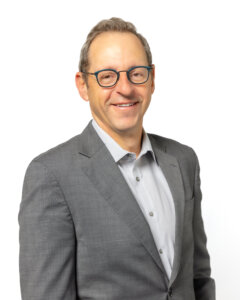
Marcus Neubauer, MD
Medical Director, Professional Wellbeing
Home » Community Oncology
After many years in oncology, I have come to appreciate this work asks more of physicians than clinical expertise alone. We walk alongside patients and families through uncertainty, loss, and hope, often over many years. In addition, as community oncologists, we have to stay viable as a practice so we can keep our doors open and continue to provide access to high-quality care close to patients’ homes.
Maintaining professional wellbeing in community oncology has become increasingly challenging, not because physicians are less resilient or less committed, but because the environment in which we practice has grown more complex. Preserving the health of the physician workforce is more important than ever because, in the face of this added challenge, there is a growing shortage of oncologists.
The Enduring Importance of Community Oncology
Community oncology plays a critical role in the cancer care ecosystem. It delivers advanced therapies close to home, maintains continuity across the patient journey, and fosters long-standing relationships between clinicians and patients. For many individuals, community practices are where trust is built and sustained.
As physicians, we know our patients beyond their diagnoses. We understand their families, their barriers to care, and their preferences. That proximity improves the care experience and often leads to better outcomes. It is one of the reasons many of us chose community practice in the first place.
Yet the sustainability of this model depends on more than clinical excellence alone. When operational and administrative demands grow unchecked, they begin to erode the very aspects of practice that make community oncology distinct.
Recognizing Professional Fatigue for What It Is
Burnout and professional fatigue are not new to oncology, but they have intensified. The rapid pace of therapeutic innovation, shifting reimbursement models, workforce shortages, and expanding regulatory requirements have changed the daily reality of practice.
Too often, physicians internalize this strain as a personal shortcoming. In truth, it is largely structural.
Physicians are trained to diagnose, treat, and lead clinical teams. We are not trained to manage increasingly complex business operations, oversee compliance infrastructure, negotiate payer contracts, or optimize revenue cycle performance—especially not on top of full clinical schedules. Furthermore, the electronic health record assignments and documentation requirements have left many oncologists treading water.
When these responsibilities fall disproportionately on physicians, the cost is measured in longer hours, diminished time with patients and colleagues, and emotional exhaustion. Over time, that strain threatens both individual wellbeing and the long-term viability of community practices.
Support as a Means of Preservation, Not Replacement
When aligned with physician‑led care, management service organizations can enable community practices to preserve what matters most. The goal is not to redefine the practice of medicine, but to preserve it.
Effective support is fundamentally about enabling community oncologists to focus on their highest-value work: caring for patients, leading clinical teams, mentoring the next generation, and shaping the future of oncology in their communities.
When done well, this support strengthens—not diminishes—clinical autonomy.
What Structured Support Provides to Practices
Management service organizations (often referred to as MSOs) can bring capabilities that are difficult for individual practices to maintain alone, particularly as the healthcare environment grows more complex. These capabilities often include centralized operational and administrative support, revenue cycle management expertise, compliance and regulatory infrastructure, and access to data and analytics that support quality and value-based care initiatives.
They may also provide workforce support—helping practices recruit, train, and retain staff in an increasingly competitive environment—as well as technology optimization that improves efficiency without disrupting care delivery.
Importantly, this type of support can bring greater financial stability and predictability, allowing practices to plan strategically rather than operate reactively.
Equally meaningful is what structured support takes off the physician’s plate.
It reduces the cognitive load of managing non-clinical complexity, alleviates the pressure of navigating regulatory and reimbursement changes in isolation, and minimizes the need for physicians to divide attention between patient care and business operations. Just as importantly, it creates opportunities for physicians and practice leaders to connect with peers who are navigating similar challenges—reducing professional isolation and enabling practical best practices to be shared across like‑minded teams.
In doing so, support organizations help create space—for thoughtful clinical decision‑making, for leadership development, for collaboration, and for personal restoration. That space is not incidental. It is essential to sustain engagement and purpose over a long career.
Wellbeing as a Shared Responsibility
Physician wellbeing is often framed as an individual responsibility, addressed through resilience training or personal coping strategies. While those approaches have value, they are insufficient without systemic support.
Wellbeing must be viewed as a shared responsibility—one that recognizes the realities of modern oncology practice and responds with infrastructure, partnership, and intentional design.
When physicians are supported by organizations that respect the complexity of their work, professional fulfillment becomes more attainable, and patient care benefits as a result.
Looking Ahead
Community oncologists remain deeply committed to their patients and their communities. That commitment has not changed. What must continue to evolve is how we support the physicians who carry it.
With the right balance of clinical leadership and operational support, community oncology can remain both sustainable and deeply human—ensuring that physicians are able not only to endure their careers, but find meaning and longevity within them.
ABOUT THE AUTHOR
As we reflect on the past year, it’s clear that meaningful change doesn’t happen in isolation. It grows from shared commitment, collective effort, and the relationships we nurture along the way. Progress this year came through collaboration—working side by side with practices in The Network to create solutions that make a lasting difference for providers and the patients they care for. We focused on building connections and laying the foundation for sustainable growth, to continue delivering exceptional care close to home well into the future. Through thoughtful partnerships and innovative approaches, The Network is positioning itself to meet the needs of tomorrow.
The Network Today: Strength and Momentum
This year, our footprint continued to grow by welcoming Florida Cancer Specialists & Research Institute along with a number of new practices that joined current partners like Millenium Physicians (Texas Oncology), ChristianaCare (Medical Oncology Hematology Consultants), and Colon and Rectal Surgical Associates (Minnesota Oncology). We also renewed our agreement with Southern Cancer Center, reinforcing our shared commitment to community oncology.
Through these new practices and strategic recruiting efforts for other practices, we welcomed over 900 new providers to existing practices in The Network—expanding expertise and strengthening care teams to meet the evolving needs of patients and communities.
This scale matters because it highlights our national reach and the ability to keep care close to home for patients while providing strong support for practices. Behind these numbers are real results that amplify the collaborative efforts, the strength, and the momentum of The Network and the impact we are making together.
Here are a few highlights from 2025:
- Accelerate: In early November, we joined 1,500 other physicians, clinicians, practice leaders, and industry experts in Las Vegas for the inaugural McKesson event to ignite the future of community oncology.
- Clinical Research: Our partnership with SCRI boosted trial enrollment by 33%, which not only improves patient access to cutting-edge clinical therapies but also can help achieve better outcomes.
- Technology: Over 1,000 providers have leveraged DeepScribe AI for ambient AI noting, saving on average 2-3 hours per week, helping to reduce provider burnout.
- Patient Experience: Across The Network, patient access has increased, leading to a 70% reduction in patient wait times across our practices.
- Value-Based Care: Through the Enhancing Oncology Model (EOM) performance periods 1 & 2, our efforts delivered $88 million in gross savings for Medicare compared to benchmark, with Network practices representing over 50% of patients, reinforcing our commitment to leadership in high-quality, cost-effective care.
- Advanced Therapies: We are bringing next-generation cancer care into community settings through bold investments, practice-led resources, and integrated surgical partnerships that create true centers of excellence. All practices in The Network support bispecific therapies, with several offering options for CAR-T, and over half of our practices providing radiopharmaceutical treatment options to patients.
- Public Policy: Physician-led engagements, such as congressional fly-ins and targeted Capitol Hill visits, actively lobbied Congress to advance site-neutral reimbursement policies, ensuring community oncology practices receive equitable payments regardless of care setting, and influenced other issues, including telehealth access, prior authorization reform, and cancer screening policies.
- Precision Medicine: Through the Precision Care Companion program, 12 practices across The Network are advancing personalized cancer care in the community. This initiative integrates education, clinical support, technology, data analytics, and best practices to bring precision oncology closer to home for patients.
However, when we talk about growth and momentum, it’s not just numbers – growth means something deeper.
Investing in Practices
In 2025, we committed over $114 million in capital investments to strengthen practices and expand access to care. From modernized patient facilities at Virginia Cancer Specialists, to expanded service lines at Maryland Oncology Hematology that bring more services closer to home for patients, and new spaces for advanced therapies at Compass Oncology and Texas Oncology —these investments reflect our commitment to keeping cancer care local, accessible, and ready for the future.
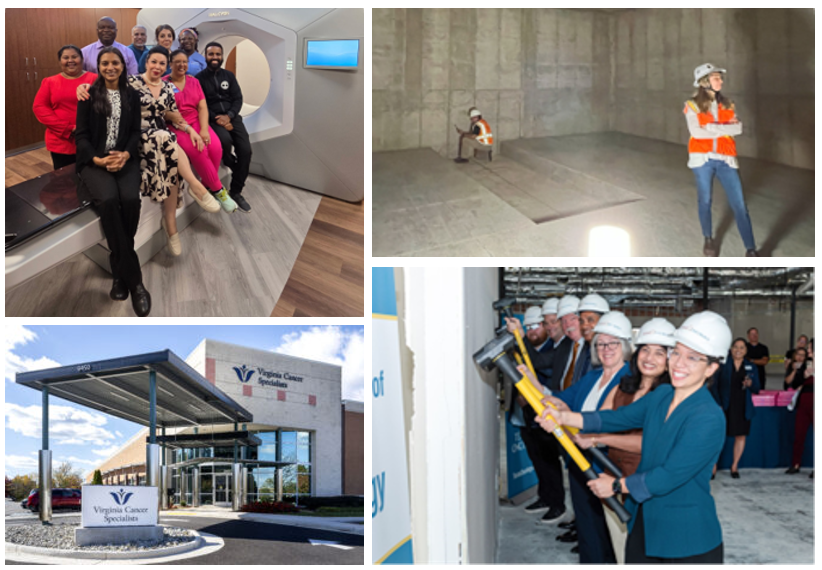
Maryland Oncology Hematology, Compass Oncology, Virginia Cancer Specialists, Texas Oncology
Meeting modern-day oncology challenges head-on demands a strategic partnership, scalable infrastructure, and innovation that works in the real world.
Looking Forward
The future of The Network is being shaped every day—through decisions, pilots, and conversations that reflect the shared commitment of our partners. Together, we are defining what success looks like and co-creating the next chapter of cancer care.
As we move forward, we’ll continue building this momentum—exploring new ideas, strengthening partnerships, and finding innovative ways to support practices and patients. We’re proud to navigate the future together. Because excellence in cancer care has a network.
ABOUT THE AUTHOR

Devon Womack
President
By Dr. Les Busby, Chief Medical Officer, The Network
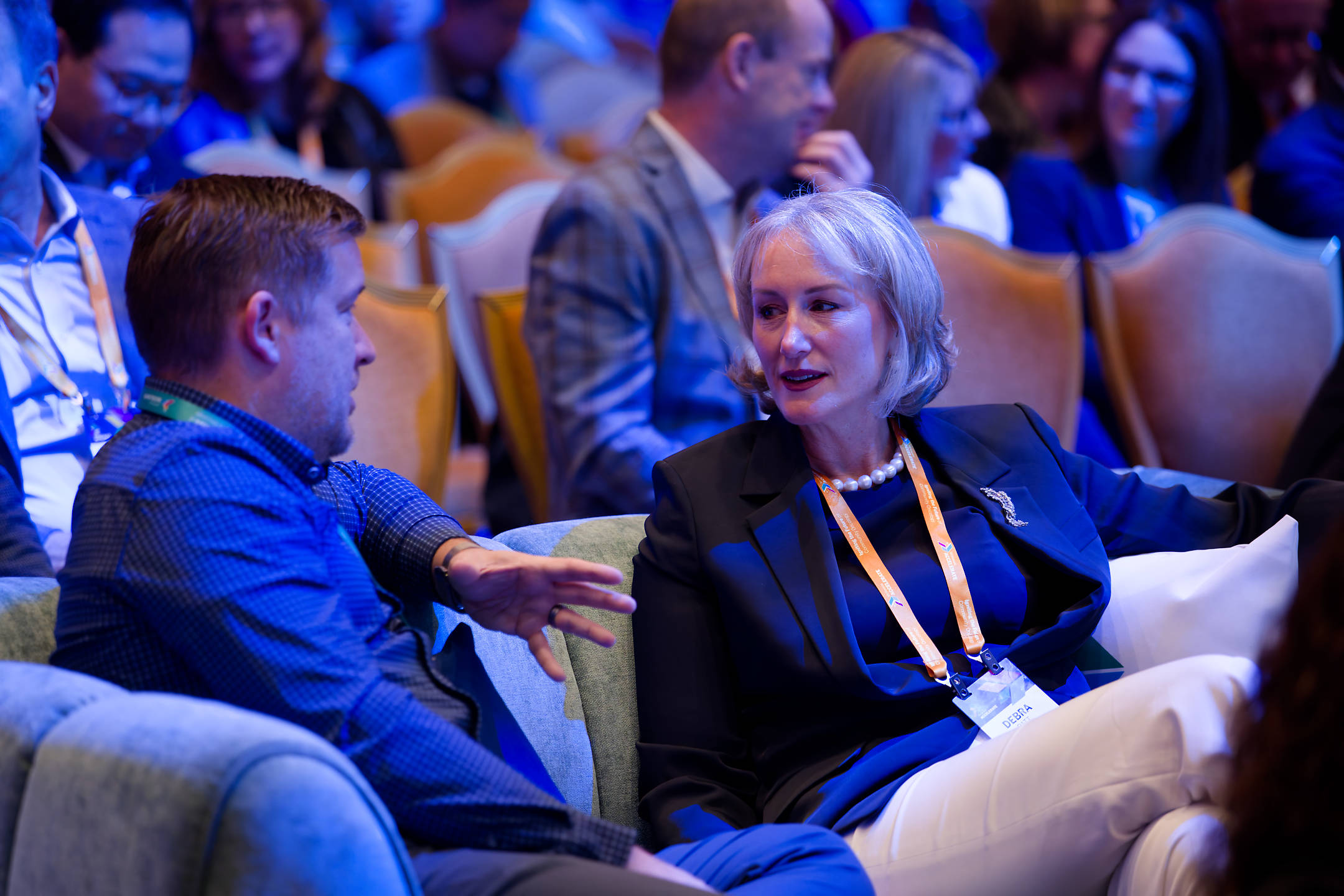
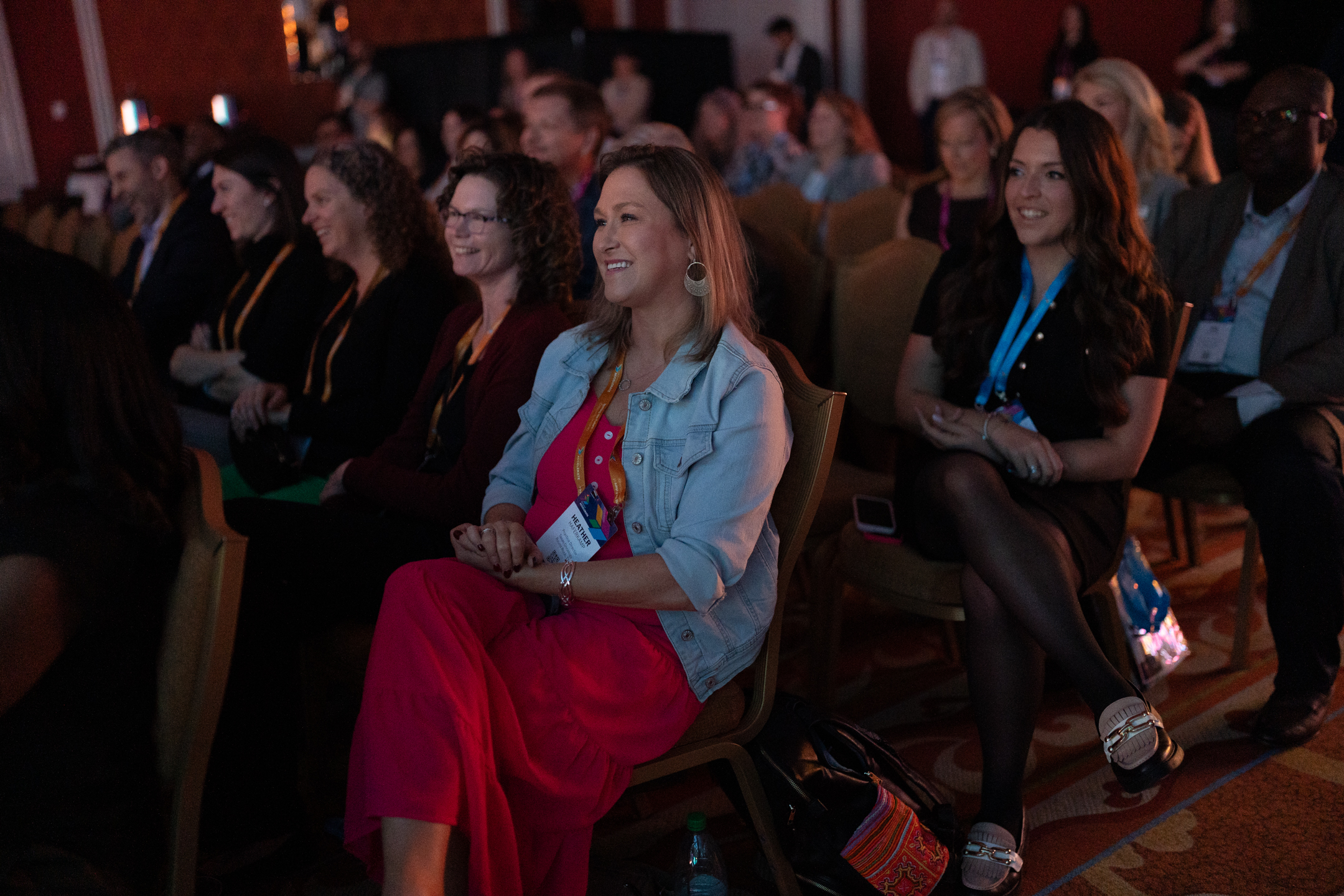
Accelerate 2025 was more than a conference—it was a focused effort to define the future of community oncology. Over three days, leaders from across the country shared strategies, explored innovations, and aligned on what progress should look like for patients and practices. And if you ask me what stood out most, it’s this:
Growth Is More Than Numbers
Sometimes growth can be perceived as a metric—a line on a chart, a quarterly report. But at The Network, growth means something deeper. It’s about making community oncology the best place for patients to receive care. It’s expanding service lines, investing in advanced capabilities, and creating spaces that reflect confidence and compassion. Growth isn’t speed for speed’s sake—it’s acceleration with purpose, turning possibility into progress for patients and practices alike.
History reminds us that true progress has always been more than velocity. When Gutenberg introduced the printing press, the breakthrough wasn’t just faster printing—it was democratized knowledge. It was access. It was transformation. That’s the kind of growth we’re driving: not just more, but better.
AI Is Redefining the Possible
Artificial intelligence is everywhere, and yet at Accelerate it felt less like a buzzword and more like a quiet revolution. Not the flashy kind—the kind that hums in the background, shaving hours off documentation, matching patients to trials, smoothing the jagged edges of complexity. We’re not just watching this happen; we’re shaping it. We’re asking the hard questions about trust and transparency, about ethics and equity. Because acceleration without intention is chaos. And intention is what gives us purpose.
Think of the printing press again: it didn’t just speed up copying; it rewired society. AI is our printing press moment. It’s changing how we work, how we think, how we care. And like every great leap forward, it demands stewardship. We must be pilots, not passengers.
Partnership Is Co-Creation
If there was a refrain running through every session, every sidebar conversation, it was this: We don’t want to build for you; we want to build with you. Partnership isn’t a service line—it’s a stance. It’s sitting at the same table, sketching the same future, sharing the same risks and rewards. It’s the belief that the next decade of cancer care won’t be written by a single hand, but by many—clinicians, administrators, researchers, advocates—all co-authors of a story that matters.
History is full of inflection points where collaboration changed the course of progress—the salons of the Enlightenment, the drafting rooms of the Renaissance. Accelerate felt like one of those rooms: ideas colliding, partnerships forming, futures being drawn in real time.
A Final Thought on Why Happiness Matters
As we talked about growth, technology, and partnership, one truth became clear: progress isn’t just about systems and strategies—it’s about people. Thriving practices start with thriving leaders. That’s why we closed Accelerate with a conversation on something fundamental yet often overlooked: happiness.
Keynote speaker Neil Pasricha, author of The Happiness Equation, The Book of Awesome, and 2-Minute Mornings shared a simple but powerful message: happier people feel better, live longer, and lead with more impact.
He shared practical tips to boost happiness, including:
- Charge your phone away from your bedside to sleep better and start the day without doomscrolling.
- Take two minutes each morning to write down:
- I will let go of… (acknowledge and release yesterday’s mistakes)
- I am grateful for… (relive a moment that brought joy)
- I will focus on… (set clear priorities to reduce decision fatigue)
Small habits, big impact—because thriving as leaders starts with thriving as people.
Because acceleration isn’t only about moving faster—it’s about moving forward with clarity, resilience, and purpose. When we invest in our own well-being, we lead better, innovate more boldly, and create the kind of future we imagined together at Accelerate.
ABOUT THE AUTHOR

Dr. Les Busby
Chief Medical Officer
Innovating Together Inside The Network Series
Despite advances in precision medicine, gaps in cancer care persist. What if we could identify and address those gaps in real time? Across The US Oncology Network (The Network), physician leaders and care teams are advancing the future of oncology by transforming how we measure and improve care quality. We’re turning to digital quality measurement to make data actionable to improve outcomes for patients. These efforts are helping ensure every patient receives the right treatment at the right time.
Improving Cancer Care Through Smarter Measurement
In oncology, quality measurement is more than a reporting requirement, it’s a diagnostic tool. It helps identify gaps in care, benchmark performance, and drive continuous improvement. Whether it’s ensuring timely biomarker testing or aligning treatment with the latest evidence, quality measures guide us toward safer, more effective, and more equitable care.
Practices in The Network use these measures not only to meet external standards and regulatory program compliance but to refine internal practices. When integrated into clinical workflows, they provide real-time feedback that empowers clinicians to personalize care and respond quickly to patient needs.
Leading the Shift to Digital
Traditional quality measurement methods—like registry-based quality measures that require manual chart abstraction —are labor-intensive and often miss the nuances of oncology care. That’s why The Network is leading the shift to digital clinical quality measures (dCQMs), along with utilizing AI to access richer clinical content across the patient’s medical records.
By leveraging structured data from Ontada’s iKnowMedSM electronic health record (EHR), along with Artificial Intelligence (AI) utilizing natural language processing (NLP), and interoperability standards like Fast Healthcare Interoperability Resources (FHIR), The Network is modernizing how practices assess care delivery. These digital tools help reduce documentation burden, improve data accuracy, and provide scalable, real-time insights that enhance clinical workflows.
Among several innovations, one standout example is the ongoing digitization of The Network’s current quality measure available through the Practice Insights Qualified Clinical Data Registry (QCDR) – PIMSH13: Mutation Testing for Stage IV Lung Cancer Completed Prior to the Start of Targeted Therapy. This measure evaluates whether patients with advanced non-small cell lung cancer receive comprehensive genetic testing and biomarker-directed therapy. While the digital version of PIMSH13 has not yet been completed, The Network is leading the space in digital quality measure development for oncology and is currently pursuing a proof-of-concept project to transform the existing PIMSH13 QCDR (registry-based measure) into a digital measure. This transformation aims to foster greater adoption across systems, easing technology and provider burden.
What’s Next
The successful digitization of PIMSH13 will open the door for future measures to be automated and to further explore the benefits of integrating AI in practice-facing quality measure development to further support clinical teams in delivering optimal patient care. These efforts aim to create a more agile, data-driven approach to care improvement—one that supports clinicians, empowers patients, and drives better outcomes.
By investing in digital infrastructure, collaborating across disciplines, and staying focused on patient-centered outcomes, we’re redefining what’s possible in cancer care.
Explore how our Value-Based Care program is advancing care—click to learn more.
About the Series
Innovating Together Inside The Network
At The US Oncology Network, innovation is more than a concept—it’s a shared commitment to continuous improvement in cancer care. Through this blog series, we highlight the technology, programs, and efficiencies driving meaningful progress across The Network. From clinical advancements to operational enhancements, these stories reflect how we’re working together to elevate care, empower providers, and improve outcomes for patients—one innovation at a time.
By Devon Womack, president
As we wrap up 2024, I’m honored to reflect on the year that The US Oncology Network has had and the impact we’ve made in bringing the most effective and innovative cancer care to patients in their local communities.
Advancing our mission
In 2024, we welcomed Tennessee Cancer Specialists and Illinois CancerCare to The Network. By adding these practices to our organization, we are fortified by new ideas and new best practices, ensuring community care remains strong.
We also added over 60 physicians to existing practices in The Network, showing that we are delivering on our commitment of being a best place to work.
Finally, I’m thrilled we renewed our agreement with Rocky Mountain Cancer Centers. We are only as strong as the practices in our network, and this renewal solidified our combined strength.
Innovating for tomorrow
An area where we are differentiating ourselves is in innovation – we’re keeping an eye toward the future and making sure that we are well-positioned to offer the very best to patients.
Our collaboration with Sarah Cannon Research Institute is compelling – creating tremendous momentum in enrolling patients in trials that will bring new therapies to the market. We enrolled over 1,200 patients this year, and I’m excited to see this number grow in the new year.
With precision medicine at the forefront of cancer care, The Network is focused on increasing biomarker testing by alleviating the burden of test ordering, delivering molecular results directly into the EHR, and providing a variety of educational opportunities on the latest in precision medicine.
Putting patients at the center
We remain committed to delivering value to patients – and one way this is evident is through the increased use of Findhelp, the platform that assists in navigating social services, community resources, and referrals for patients. This year, practices in The Network referred more than 4,000 patients to community-based social services, showing our dedication to the whole patient beyond solely a cancer diagnosis.
We’ve also continued to demonstrate leadership in value-based care initiatives like the Enhancing Oncology Model, where we have 12 practices and over 1,500 providers participating. Practices in The Network make up almost 50% of the participants in the EOM.
Powering our network
At the core of The Network is the providers and staff in the practices each day, connecting with patients and thinking about how we can continue to bring the best care to communities. One of the greatest assets we can offer to practices in The Network is the opportunity to connect with others to share learnings and resources. Next year, I hope you’ll join us at McKesson Accelerate, where we’re building on The Network’s Annual Conference and creating a premier conference designed exclusively for community oncology practices. We hope to see you there!
ABOUT THE AUTHOR

Devon Womack
President
In our unwavering commitment to transform cancer care, The US Oncology Network (The Network) and Ontada, a McKesson business, have joined forces to support the Cancer Moonshot initiative. This collaborative effort aims to revolutionize oncology treatment by leveraging cutting-edge technology and enhancing interoperability through the advanced framework of the Enhancing Oncology Model (EOM).
The Cancer Moonshot Initiative: A Vision for the Future
The Cancer Moonshot initiative, reinvigorated in 2022, aspires to reduce cancer death rates by 50% over the next 25 years. It emphasizes the importance of having seamless access to critical medical information to improve patient outcomes. This initiative aims to support patients and caregivers by creating a reliable healthcare system, particularly through the standardization and interoperability of electronic health records (EHRs).
Pioneering Innovation in Oncology
Ontada has partnered with the Department of Health and Human Services’ Office of the National Coordinator for Health Information Technology (ONC), the National Institutes of Health (NIH), and the Centers for Medicare & Medicaid Services (CMS) to advance oncology data standards. Early on, Ontada made the strategic decision to adopt mCODE (Minimal Common Oncology Data Elements), an HL7 industry standard designed to compile a core set of structured data elements for oncology electronic health records (EHRs). The Ontada and CMMI teams have created a high-tech solution to facilitate the reporting of key clinical data elements for the EOM program. Furthermore, by utilizing standardized data bolstered by Artificial Intelligence (AI), they have achieved a more comprehensive data set that can be seamlessly delivered via FHIR-based API functionality. This innovation supports interoperability, along with enhancing the accuracy and completeness of the data sourced from the EHR system. In turn, better access and utilization of this data leads to improved health outcomes and promotes health equity.
Pilot with Compass Oncology
In our ongoing commitment to advancing cancer care, The Network is thrilled to announce that Compass Oncology, utilizing iKnowMed as its primary EHR, will pilot Ontada’s innovative technology during the first performance period (PP1) of the Enhancing Oncology Model (EOM). The Compass Oncology quality improvement team, with their extensive experience as participants in the previous Oncology Care Model (OCM) program, possess a deep knowledge of quality reporting requirements and workflows essential for meeting program criteria successfully.
The Network’s participation in this pilot underscores our dedication to driving innovation in cancer care. By working closely with Ontada, The Network is contributing to the development of tools and practices that will enhance data accuracy, improve efficiency, and promote health equity across the oncology landscape.
The Benefits for Practices and Patients
Our collaborative efforts with the Cancer Moonshot initiative and other stakeholders are set to bring numerous benefits to oncology practices and patients:
- Enhanced Data Accuracy and Completeness: By standardizing data elements across EHRs based on FHIR, we ensure that healthcare providers have access to accurate and comprehensive patient information, facilitating better treatment decisions.
- Improved Efficiency: The implementation of AI/NLP technology will streamline data capture processes, allowing healthcare providers to focus more on patient care rather than administrative tasks.
- Promoting Health Equity: By ensuring that critical health information is accessible across different systems, we aim to improve care for patients in rural and underserved areas, thereby advancing health equity.
- Accelerated Research and Innovation: Standardized data opens new possibilities for faster research results and more effective public health interventions, driving continuous innovation in cancer care.
Our Commitment to Excellence
The Network’s dedication to the EOM program and the use of USCDI+ codes and FHIR API functionality underscores our commitment to advancing cancer care through technology. As a Qualified Clinical Data Registry-certified vendor for eight consecutive years, The Network has consistently demonstrated the ability to support and innovate within the oncology field. This year, we have also implemented Social Determinants of Health collection across 12 practices to support the EOM program.
Join Us in Shaping the Future of Cancer Care
As we advance in healthcare technology innovation, we encourage the oncology community to support and engage in efforts to make health information exchange more prevalent. The dedication and involvement of the healthcare community will propel us toward a more innovative, cohesive, and patient-centered future.
ABOUT THE AUTHORS
Wanmei Ou, Vice President, Product Life Sciences, Ontada: "Ontada's collaboration with The Network and the Cancer Moonshot initiative is a step towards revolutionizing cancer care. Through our cutting-edge AI technology and FHIR-compliant common data model, we are not only addressing critical interoperability challenges but also promoting health equity and accelerating research in oncology."
Erin Crum, Senior Director, Quality Strategy and Innovation, The Network: "Our partnership with Ontada and the Cancer Moonshot initiative exemplifies our commitment to transforming oncology care. By leveraging advanced AI and interoperability, we are pioneering innovations that enhance data accuracy and improve patient outcomes, ultimately driving significant advancements in cancer treatment."
Scott Rushing, MD, MBA, Practice President, Compass Oncology: “Compass Oncology is excited to participate in this groundbreaking pilot with The Network and Ontada. This initiative will enhance our practice by leveraging advanced AI technology and improving data interoperability, ultimately leading to better patient outcomes and more efficient cancer care."
Gaps in health equity can contribute to sub-optimal outcomes
Maximizing the opportunities of achieving the best possible outcomes for cancer patients goes beyond the confines of the clinic. Addressing the needs of patients requires understanding and overcoming challenges related to socioeconomic factors and the environment. These challenges, often referred to as Social Drivers of Health (SDoH), encompass the conditions in the environments where people are born, live, grow, eat, play, and die.
SDoH can significantly impact an individual’s health outcomes and overall quality of life, as well as their access to quality medical care. When patients face obstacles in any of these areas, seeking healthcare or following through with their treatment plans becomes difficult. Therefore, it is crucial to help patients overcome these challenges and remove barriers that hinder their ability to concentrate on their treatment.
By assessing and addressing SDoH, we can enhance patients’ access to care and promote optimal outcomes. This approach not only improves their quality of life but also contributes to a more equitable healthcare system. By focusing on the needs of cancer patients beyond the clinic, we can make a significant impact on their treatment journey and ultimately improve their chances of achieving the best possible outcomes.
Challenges addressing SDoH barriers in community oncology
Addressing SDoH barriers comes with its own set of challenges for community oncology practices. Limited staff, tight budgets, and short appointment times make it difficult to comprehensively screen and connect patients with resources. Additionally, navigating fragmented social service systems and respecting patient privacy can add further complexity. In particular, rural community oncology practices must find innovative solutions to overcome these difficulties, which may be less accessible in rural areas, and ensure that patients receive the support they need to address their SDoH barriers.
Three practices in The US Oncology Network (The Network) – Shenandoah Oncology, Southern Cancer Center, and Willamette Valley Cancer Institute & Research Center – have experienced firsthand the difficulties patients encounter in accessing the resources needed to address SDoH barriers. Navigators had to manually search for social service programs, often finding outdated or inactive options, causing delays in connecting patients with appropriate services and causing frustration. Additionally, the limited availability of programs further hindered the ability to find solutions tailored to each patient’s specific needs.
Despite these hurdles, there’s growing support for integrating SDoH efforts into community oncology practices, with resources being developed to help connect patients with social services in their community. The Network has made it a priority to help patients address SDoH barriers so they can access high quality care, within their community.
Connecting patients to social services with The Network and Findhelp
To address the increasing socioeconomic and environmental challenges faced by cancer patients, The Network has partnered with Findhelp, a platform that assists in navigating social services, community resources, and referrals for patients. This collaboration allows for a more comprehensive level of support, efficiently connecting patients with the necessary assistance they require. By doing so, it promotes optimal outcomes for individuals who are often disadvantaged by various circumstances, thereby bridging the gap in health equity.
The implementation of Findhelp has brought significant improvements to Shenandoah Oncology, Southern Cancer Center, and Willamette Valley Cancer Institute & Research Center in their quest to connect patients with the social services they need. The platform has transformed the referral process, allowing practices to track the availability and activity of programs, ensuring patients are referred to active and relevant services. The ability to filter programs based on eligibility criteria has significantly improved efficiency, eliminating the need for manual searches through irrelevant options. Findhelp has also expanded the range of available programs, empowering navigators to educate patients on how to utilize the platform effectively to find the assistance they require. This has not only increased the accessibility of resources for patients but also enhanced the overall patient experience.
By implementing Findhelp, The Network has successfully addressed the challenges practices faced prior to its adoption. The result is a streamlined referral process, improved patient access to vital resources, and increased efficiency for navigators. From June 2023 to June 2024 practices in The Network referred 3,116 patients to community-based social services. Findhelp has truly made a positive impact on practices in The Network, enabling them to provide comprehensive and effective support to their patients.
The Network’s ongoing commitment to empowering patients through addressing SDoH barriers
The Network is dedicated to making a significant impact in addressing SDoH barriers. With a firm commitment to this cause, The Network aims to increase closed loop referrals, a process in which Findhelp refers a patient to an agency and then follows up to ensure that the referral was completed and that the necessary services were provided, within 30 days post-referral by an impressive 65% during Fiscal Year 2024. This commitment is projected to positively impact over half a million patients, ensuring they receive the necessary support and resources to overcome SDoH barriers.
By actively working towards increasing closed loop referrals, practices in The Network demonstrate their dedication to providing comprehensive care to patients. This commitment will not only improve patient outcomes but also contribute to the overall well-being and quality of life for those facing cancer and SDoH challenges. The Network is proud to take a leading role in addressing SDoH and ensuring that patients receive the holistic support they need throughout their cancer journey.
By The Network’s editorial staff

As cancer care evolves at an increasingly rapid pace, The US Oncology Network stands at the forefront of community oncology, dedicated to advancing care and enhancing patient outcomes. Leading this charge is our new president Devon Dickey Womack, whose appointment marks a significant milestone in our journey towards setting new standards in oncology care. With an unwavering commitment and a visionary approach, she is poised to steer The Network through its next phase of growth and innovation, ensuring that we support practices as they continue to deliver best-in-class care.
With a 14-year tenure with The Network and McKesson, Devon is a familiar face and brings deep expertise and dynamic leadership to her new role. Most recently as the chief operating officer of The Network, she made great strides in ensuring practices have the resources they need to operate efficiently and deliver cost-effective, high-quality patient care. She led the launch of The Network’s “Time to First” strategy to improve patient access. Through this initiative, more than 70% of practices in The Network reduced the time for patients to complete their first consult with their oncologist.
Additionally, Devon continues to pave the way for research expansion with eleven practices in The Network entering into new research agreements with Sarah Cannon Research Institute (SCRI). We are already exceeding our initial treatment trial accruals goal, starting the fiscal year off strong. Our goal is to ensure that more patients have access to modern cancer therapies and treatment trials. Advancing cancer research to make these therapies a reality for everyone happens in the community setting.
Devon is deeply committed to the development and support of oncology practices and their ability to deliver top-tier care, aiming to support more than 25% of cancer patients across the nation. Under her leadership, The Network is continuing to double down on its focus on patient care models that encompass not only state-of-the-art treatments but also psychological and social support for patients and their families.
As she takes the helm of The Network, Devon is enthusiastic about the potential for transformative change in community oncology. Her vision encompasses a broad spectrum of initiatives aimed at enhancing patient care through technological innovation, precision medicine, operational excellence and practice growth.
“There is much to be optimistic about in the future of community oncology. Our commitment lies in providing cutting-edge care, right in your own backyard,” says Devon. “Together, we will ensure that patients receive world-class treatment, while fostering an environment where practices, physicians and care teams can thrive and make a lasting impact on their communities.”
As we embark on this exciting new chapter under Devon’s leadership, The Network is positioned not only to meet the current demands of oncology care but to anticipate and respond to future challenges. Her strategic vision, coupled with a relentless dedication to excellence, will guide The Network as the leader in community oncology, setting the standard for care, compassion and innovation.
By Marcus Neubauer, MD, Chief Medical Officer
The Network was thrilled to host another installment of our Annual Conference last month in Indianapolis. It’s always hard to top the previous year, but we just may have on the heels of tremendous growth of The Network and the excitement for what we are accomplishing together.
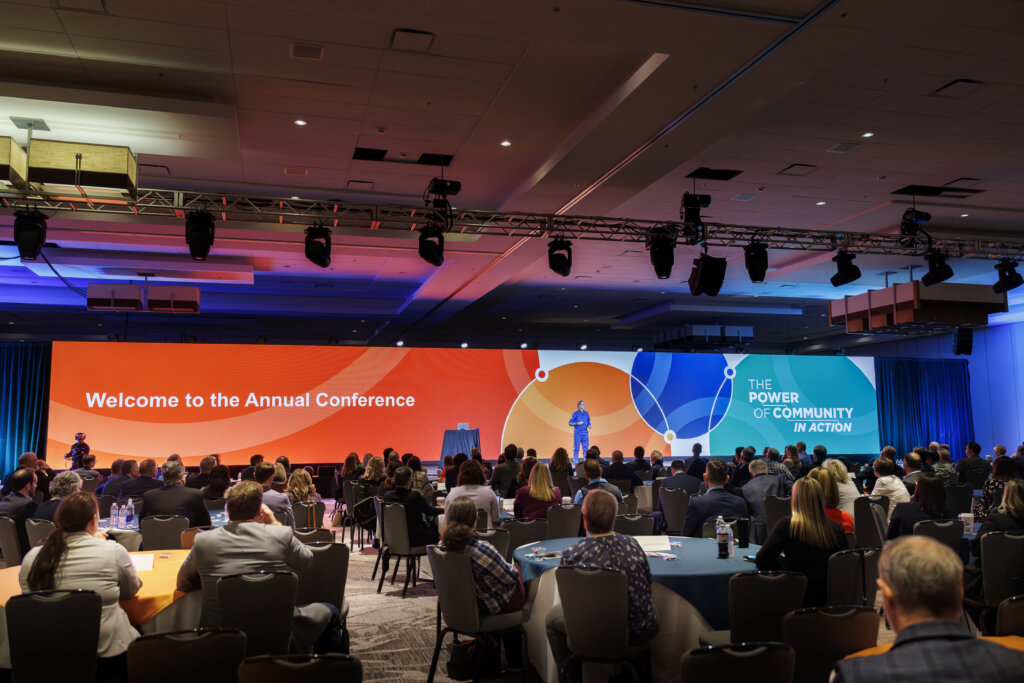
The Annual Conference is our signature event, and we were honored to host leaders from practices in The Network as we came together to hear insights on trends in oncology and network with our peers. I feel more energized than ever after the conclusion of the event and know that many who attended feel the same way. The power of The Network was palpable!
Here are a few of my takeaways from this year’s Annual Conference:
The tenacity and ingenuity of practices in The Network is remarkable
The theme of this year’s conference was “the power of community in action” – and I heard countless examples of how practices in The Network are living this every day. When a challenge is identified with the patient experience or clinic workflows, we work together to develop innovative and enduring solutions.
A great example was one that Jason Hammonds shared in his opening session: an initiative at Texas Oncology to redefine how the practice engages with new and existing patients. It is called “Project Touchpoint” and it is a first-of-its-kind, customized platform that uses AI-generated phone triage to capture incoming calls and solve for the issue on the first call. This has shown to significantly reduce unanswered calls.
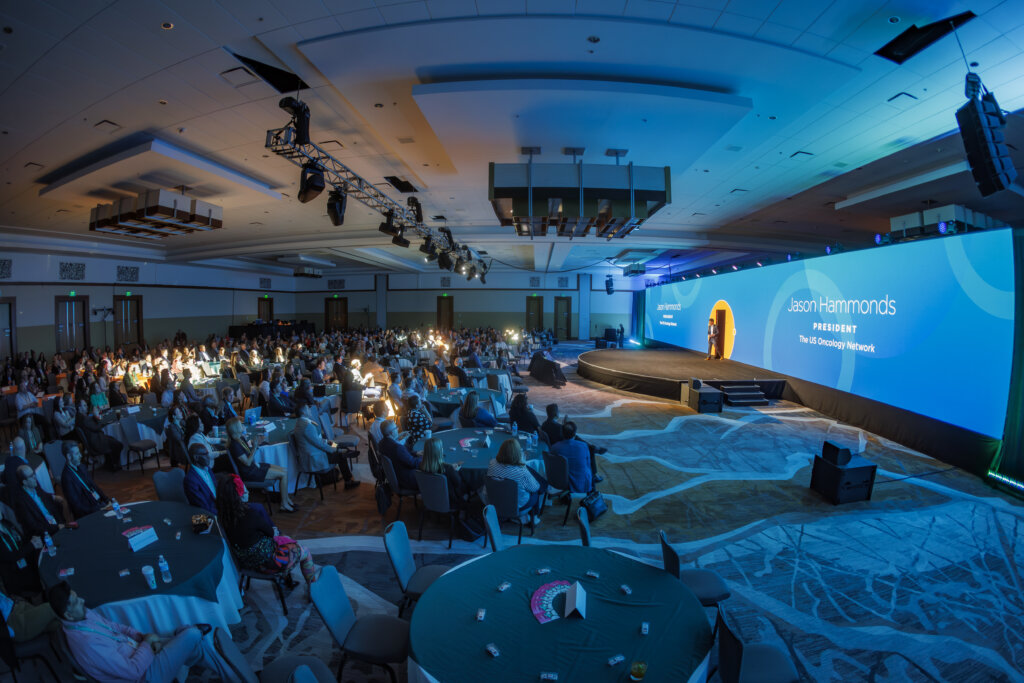
Across The Network, the patient experience is at the core of innovation and Devon Womack spoke in her session about the investments we are making in this area. Devon reported on a Network-wide initiative to reduce the time to schedule new cancer patients.
We are making tremendous strides in advancing therapies for patients through research
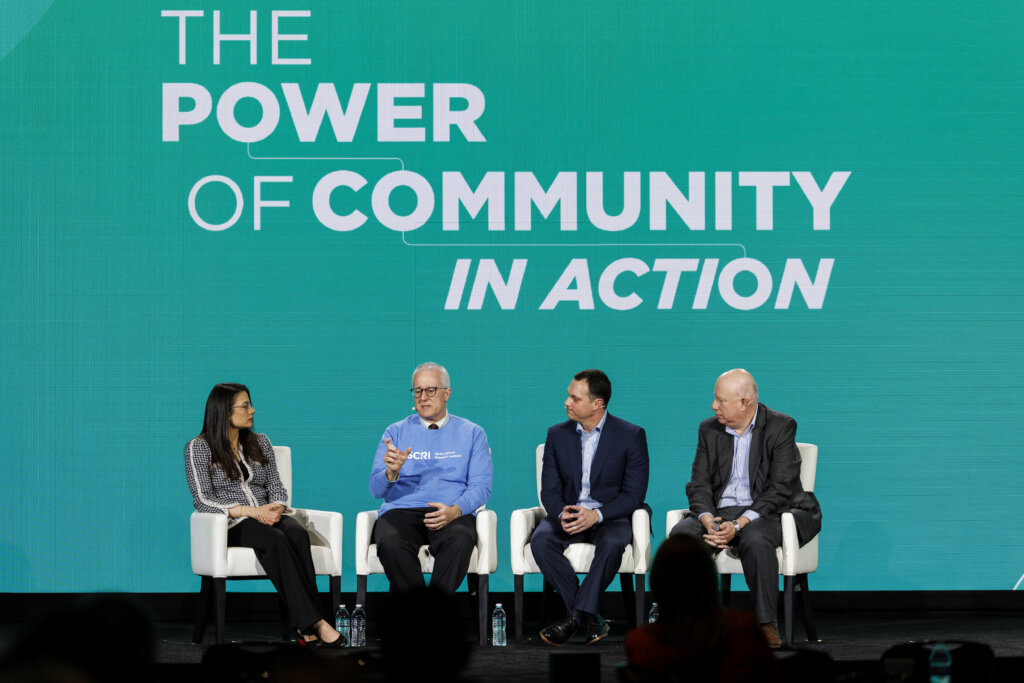
We recently marked the first full year of our joint venture with Sarah Cannon Research Institute (SCRI), a partnership that is elevating clinical cancer research and advancing therapies available for patients. At the Annual Conference, we heard through a panel presentation that more trials are now available to practices in The Network and time to open a trial is much faster with SCRI. This leads to more clinical trial opportunities for patients.
In addition, Genospace is helping practices in The Network solve one of the most complex challenges in research – identifying eligible patients. Among Genospace’s many functions is the ability to connect biomarker test results with each practice’s clinical data from their electronic health record. This provides advanced clinical trial matching and we’re already seeing practices realize the results of leveraging this technology. We will continue to see more synergies with SCRI and more benefits to the patient as time progresses.
Our focus on precision medicine is ensuring patients receive the most effective treatment possible
In The Network, we’ve been developing a cutting-edge precision medicine program that supports practices in ordering biomarker tests and the use of targeted therapies. Trends presented at the Annual Conference show that this program is taking off.
The team has focused their efforts in three areas: education, workflow and technology. Spanning these areas is the implementation of a genomic ordering module within iKnowMed℠, our oncology electronic health record, to provide practices with National Comprehensive Cancer Network® (NCCN®) testing alerts at the time of diagnosis and staging. The team is also utilizing Genospace for automated biomarker result integration and is continuing to build out the shared capabilities between our organizations. This work is ensuring more patients are receiving the most effective treatments.
While I’ve shared three takeaways here, we discussed a number of other topics at the Annual Conference, including value-based care, public policy, best practices and more. The expertise and the passion in The Network is unmatched and it’s wonderful to be reminded of our collective power when we come together!
ABOUT THE AUTHOR

Marcus Neubauer, MD
Chief Medical Officer