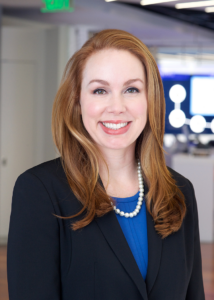
Devon Womack
President
Findings presented at ASCO highlight scalable strategies to improve patient access and care delivery in community oncology
THE WOODLANDS, Texas, May 29, 2026 — Research presented at the 2026 American Society of Clinical Oncology (ASCO) Annual Meeting by The US Oncology Network (The Network), an organization dedicated to advancing cancer care in the community and supported by McKesson, found that new patient consult models in benign hematology led by advanced practice providers (APP) can accelerate access to care and increase capacity across diverse community oncology settings.
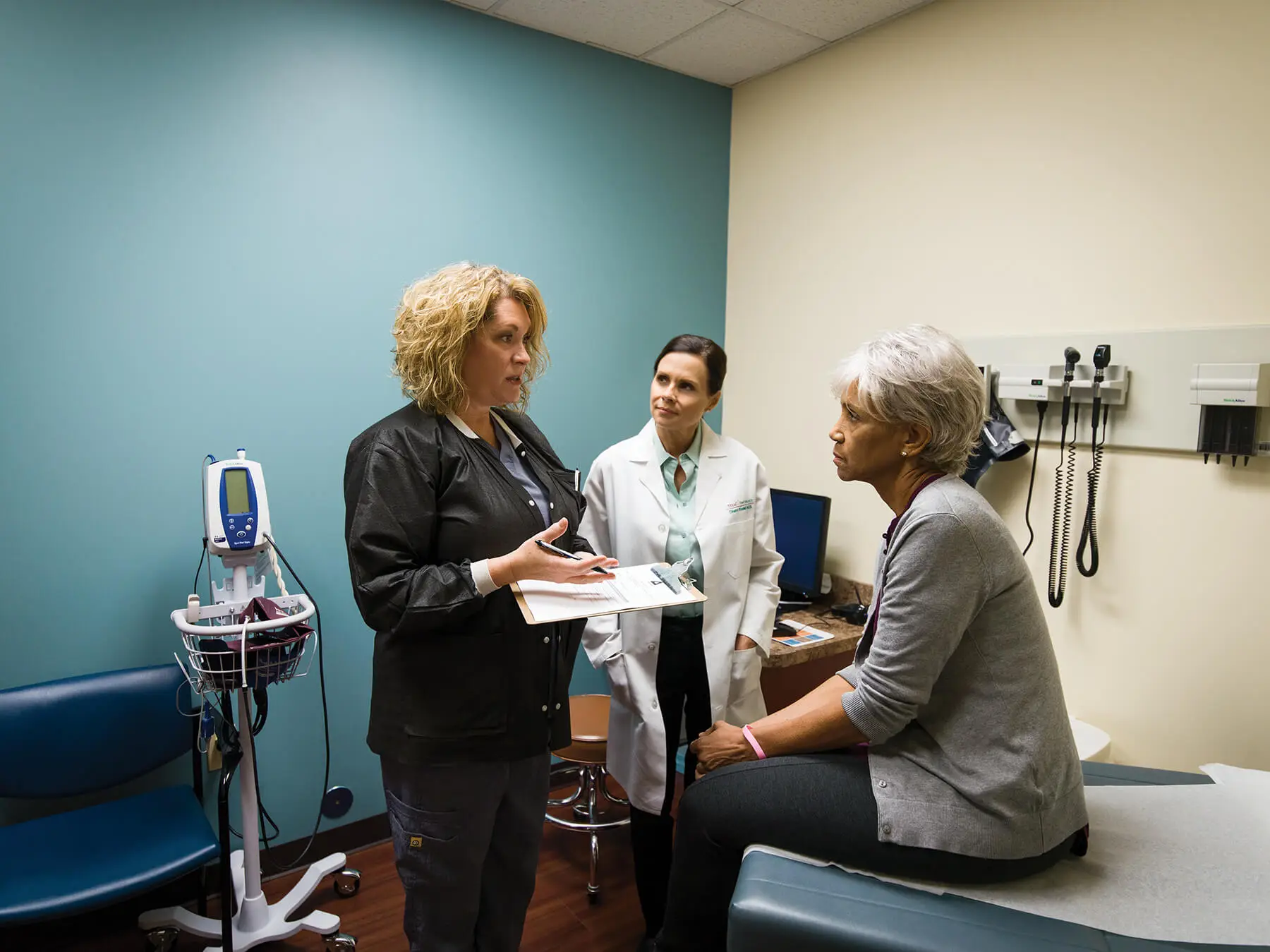
Across four community oncology practices within The Network, implementation of APP‑led new consult models resulted in substantial reductions in time to first appointment, and increased physician capacity. APPs assumed a growing share of new consult visits, helping streamline care delivery and optimize clinical resources while supporting continuity of care for patients with benign hematologic conditions.
“Ensuring more patients can access the right care, closer to home, is at the heart of community oncology,” said Leslie Busby, MD, chief medical officer, The Network. “This research shows what’s possible when practices leverage the expertise of nurse practitioners and physician assistants alongside their physicians — patients get faster access to care without compromising the coordinated model that practices have built.”
Those implications extend beyond clinical outcomes to how care teams are structured in practice.
“This research reinforces that access challenges across oncology reflect underlying operational and capacity dynamics within community practices,” said Eileen Vella, director, Advanced Practice Provider Services, The Network. “APP‑led consult models offer a scalable, oncology-wide solution that enables practices to expand access, optimize team design and build sustainable care models that meet growing patient demand.”
Study Methodology
The retrospective, multi-site analysis across four community oncology practices within The US Oncology Network evaluated APP-led new consult models in benign hematology clinics over implementation periods ranging from approximately one to four years. Across the four sites, the analysis captured data from more than 160 advanced practice providers — including nurse practitioners and physician assistants — and encompassed more than 12,500 new patient visits at the largest participating practice alone. Operational and clinical impact were measured using key performance indicators, including new consult volume, APP participation, time to first appointment, percentage of APP visits, and APP engagement, using internal scheduling systems, productivity dashboards, and operational reports. Pre- and post-implementation comparisons assessed changes in access and throughput, with structured patient and physician feedback providing qualitative context on perceived benefits, challenges, and evaluating scalability across diverse practice settings.
Other Research and Activities at ASCO 2026
Notably, The Network’s researchers are also contributing to the conversation around value-based care delivery. In a poster presentation, “Rethinking cancer attribution in oncology VBC models: E&M vs treatment-based approach,” researchers examined the complexities of cancer attribution in oncology value‑based care models, comparing episode attribution based on evaluation and management visits with attribution based on treatment initiation. Using Enhancing Oncology Model (EOM) performance period data (July 2023–June 2025) from participating practices across The Network, the analysis found that attribution challenges were more common in episodes initiated with oral therapies, underscoring the importance of continued evaluation of attribution methodologies as treatment patterns evolve.
Physicians across The Network are affiliated with more than 30 studies being presented at ASCO 2026 that highlight clinical and operational findings on a broad spectrum of topics. Additionally, Dr. Debra Patt, president of the Community Oncology Alliance (COA) and executive vice president, oncologist, and breast cancer specialist with Texas Oncology, a practice in The Network, will serve as a discussant during the ASCO Clinical Science Symposium, “Oncology 2.0: How Artificial Intelligence Is Closing the Information Gap—Or Is It?”
The Network is a part of McKesson, which has a broad portfolio of oncology and multispecialty solutions and partners that provide research, insights, technologies and services that help to address barriers and improve cancer and multispecialty care. At ASCO, McKesson-supported businesses including The Network, Ontada, and Sarah Cannon Research Institute (SCRI), are part of approximately 171 accepted abstracts and presentations. These are inclusive of oral and poster presentations, educational sessions, late-breaking studies and early-phase studies. Learn more about SCRI-affiliated studies and presentations and Ontada-affiliated abstracts.
Expert Panel on Community Oncology During ASCO 2026
Additionally, McKesson will be participating in a thought leadership panel hosted by Endpoints News on June 3, 2026, at 12 p.m. ET, titled, “Delivering Excellence, Close to Home.” Panelists include Jason Hammonds, president of Oncology & Multispecialty for McKesson, John Schuler MD, medical director and radiation oncologist with Compass Oncology, and Dr. Patt. Register and join the panelists as they share their insights and perspectives on what is working today—and what needs to evolve—to support and strengthen community oncology as a foundational component of the cancer care ecosystem.
About The US Oncology Network
The US Oncology Network (The Network) brings together independent oncology providers to deliver connected care in local communities. The Network empowers practices to remain independent while benefiting from shared expertise, coordinated resources and the support of McKesson. By enhancing operational efficiency, The Network enables providers to focus on what matters most: their patients. From clinical trials and precision medicine to business support and practice growth, The Network equips practices with the tools they need to thrive in today’s complex healthcare landscape. Together, we’re supporting providers in delivering excellence in cancer care — all while driving innovation, expanding access and improving outcomes.
About McKesson Oncology & Multispecialty
Our Oncology & Multispecialty segment delivers a portfolio of integrated solutions that support patient care by accelerating drug development, expanding access to high-quality care close to home and ensuring life-saving therapies reach the patients who need them most. We provide practice management, technology solutions, specialty drug distribution, clinical trial and group purchasing services, along with pharmacy solutions for community-based oncology practices and multispecialty providers in retina and ophthalmology. We partner behind the scenes with healthcare providers in local communities, supporting their operations so that they can stay focused on who matters most — patients.
Media Contacts
Claire Crye, Communications
281-825-9927
claire.crye@mckesson.com
GCI Health on behalf of The US Oncology Network
Christine Murphy, Media Relations
201-230-9636 christine.murphy@gcihealth.com
As we reflect on the past year, it’s clear that meaningful change doesn’t happen in isolation. It grows from shared commitment, collective effort, and the relationships we nurture along the way. Progress this year came through collaboration—working side by side with practices in The Network to create solutions that make a lasting difference for providers and the patients they care for. We focused on building connections and laying the foundation for sustainable growth, to continue delivering exceptional care close to home well into the future. Through thoughtful partnerships and innovative approaches, The Network is positioning itself to meet the needs of tomorrow.
The Network Today: Strength and Momentum
This year, our footprint continued to grow by welcoming Florida Cancer Specialists & Research Institute along with a number of new practices that joined current partners like Millenium Physicians (Texas Oncology), ChristianaCare (Medical Oncology Hematology Consultants), and Colon and Rectal Surgical Associates (Minnesota Oncology). We also renewed our agreement with Southern Cancer Center, reinforcing our shared commitment to community oncology.
Through these new practices and strategic recruiting efforts for other practices, we welcomed over 900 new providers to existing practices in The Network—expanding expertise and strengthening care teams to meet the evolving needs of patients and communities.
This scale matters because it highlights our national reach and the ability to keep care close to home for patients while providing strong support for practices. Behind these numbers are real results that amplify the collaborative efforts, the strength, and the momentum of The Network and the impact we are making together.
Here are a few highlights from 2025:
- Accelerate: In early November, we joined 1,500 other physicians, clinicians, practice leaders, and industry experts in Las Vegas for the inaugural McKesson event to ignite the future of community oncology.
- Clinical Research: Our partnership with SCRI boosted trial enrollment by 33%, which not only improves patient access to cutting-edge clinical therapies but also can help achieve better outcomes.
- Technology: Over 1,000 providers have leveraged DeepScribe AI for ambient AI noting, saving on average 2-3 hours per week, helping to reduce provider burnout.
- Patient Experience: Across The Network, patient access has increased, leading to a 70% reduction in patient wait times across our practices.
- Value-Based Care: Through the Enhancing Oncology Model (EOM) performance periods 1 & 2, our efforts delivered $88 million in gross savings for Medicare compared to benchmark, with Network practices representing over 50% of patients, reinforcing our commitment to leadership in high-quality, cost-effective care.
- Advanced Therapies: We are bringing next-generation cancer care into community settings through bold investments, practice-led resources, and integrated surgical partnerships that create true centers of excellence. All practices in The Network support bispecific therapies, with several offering options for CAR-T, and over half of our practices providing radiopharmaceutical treatment options to patients.
- Public Policy: Physician-led engagements, such as congressional fly-ins and targeted Capitol Hill visits, actively lobbied Congress to advance site-neutral reimbursement policies, ensuring community oncology practices receive equitable payments regardless of care setting, and influenced other issues, including telehealth access, prior authorization reform, and cancer screening policies.
- Precision Medicine: Through the Precision Care Companion program, 12 practices across The Network are advancing personalized cancer care in the community. This initiative integrates education, clinical support, technology, data analytics, and best practices to bring precision oncology closer to home for patients.
However, when we talk about growth and momentum, it’s not just numbers – growth means something deeper.
Investing in Practices
In 2025, we committed over $114 million in capital investments to strengthen practices and expand access to care. From modernized patient facilities at Virginia Cancer Specialists, to expanded service lines at Maryland Oncology Hematology that bring more services closer to home for patients, and new spaces for advanced therapies at Compass Oncology and Texas Oncology —these investments reflect our commitment to keeping cancer care local, accessible, and ready for the future.
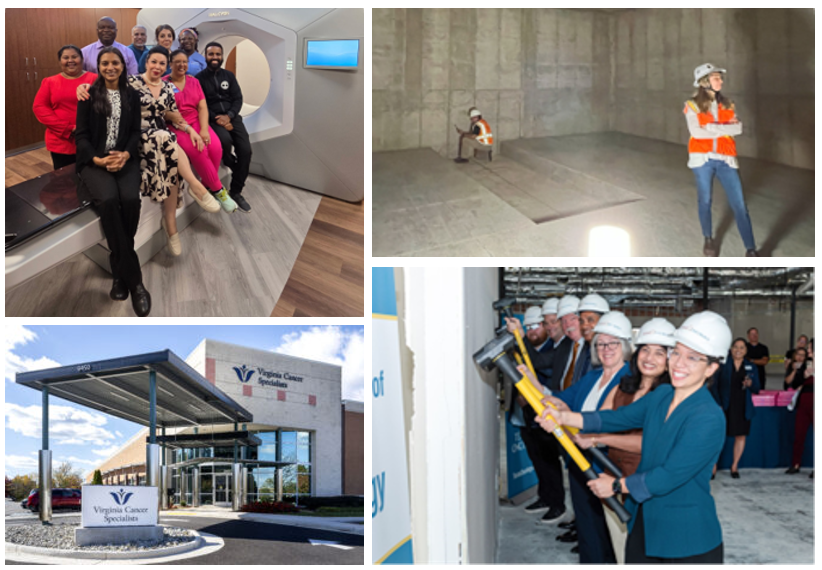
Maryland Oncology Hematology, Compass Oncology, Virginia Cancer Specialists, Texas Oncology
Meeting modern-day oncology challenges head-on demands a strategic partnership, scalable infrastructure, and innovation that works in the real world.
Looking Forward
The future of The Network is being shaped every day—through decisions, pilots, and conversations that reflect the shared commitment of our partners. Together, we are defining what success looks like and co-creating the next chapter of cancer care.
As we move forward, we’ll continue building this momentum—exploring new ideas, strengthening partnerships, and finding innovative ways to support practices and patients. We’re proud to navigate the future together. Because excellence in cancer care has a network.
“Ensuring health equity is not just a moral imperative, but a crucial step in providing the highest standard of care for all cancer patients. At The Network, we recognize the disparities that exist and are committed to level the playing field to provide equal access to quality care. By partnering with Findhelp, we are empowering practices within The Network to assist their patients in finding the social services they need to navigate their cancer journey with dignity and achieve the best possible outcomes.”
“Findhelp has given me the ability to look for a broader scope of social service programs that are available for patients and be able to educate patients on how they can use Findhelp to look for assistance for themselves or others.”
“Being a part of The Network and utilizing Findhelp has been a game-changer for our practice in helping our patients overcome social drivers of health barriers. With the support of this collaborative platform, we are able to connect our patients with vital community resources and services they need, addressing the underlying barriers and empowering them to access life-changing treatment.”
By The Network’s editorial staff
As cancer care evolves at an increasingly rapid pace, The US Oncology Network stands at the forefront of community oncology, dedicated to advancing care and enhancing patient outcomes. Leading this charge is our new president Devon Dickey Womack, whose appointment marks a significant milestone in our journey towards setting new standards in oncology care. With an unwavering commitment and a visionary approach, she is poised to steer The Network through its next phase of growth and innovation, ensuring that we support practices as they continue to deliver best-in-class care.
With a 14-year tenure with The Network and McKesson, Devon is a familiar face and brings deep expertise and dynamic leadership to her new role. Most recently as the chief operating officer of The Network, she made great strides in ensuring practices have the resources they need to operate efficiently and deliver cost-effective, high-quality patient care. She led the launch of The Network’s “Time to First” strategy to improve patient access. Through this initiative, more than 70% of practices in The Network reduced the time for patients to complete their first consult with their oncologist.
Additionally, Devon continues to pave the way for research expansion with eleven practices in The Network entering into new research agreements with Sarah Cannon Research Institute (SCRI). We are already exceeding our initial treatment trial accruals goal, starting the fiscal year off strong. Our goal is to ensure that more patients have access to modern cancer therapies and treatment trials. Advancing cancer research to make these therapies a reality for everyone happens in the community setting.
Devon is deeply committed to the development and support of oncology practices and their ability to deliver top-tier care, aiming to support more than 25% of cancer patients across the nation. Under her leadership, The Network is continuing to double down on its focus on patient care models that encompass not only state-of-the-art treatments but also psychological and social support for patients and their families.
As she takes the helm of The Network, Devon is enthusiastic about the potential for transformative change in community oncology. Her vision encompasses a broad spectrum of initiatives aimed at enhancing patient care through technological innovation, precision medicine, operational excellence and practice growth.
“There is much to be optimistic about in the future of community oncology. Our commitment lies in providing cutting-edge care, right in your own backyard,” says Devon. “Together, we will ensure that patients receive world-class treatment, while fostering an environment where practices, physicians and care teams can thrive and make a lasting impact on their communities.”
As we embark on this exciting new chapter under Devon’s leadership, The Network is positioned not only to meet the current demands of oncology care but to anticipate and respond to future challenges. Her strategic vision, coupled with a relentless dedication to excellence, will guide The Network as the leader in community oncology, setting the standard for care, compassion and innovation.