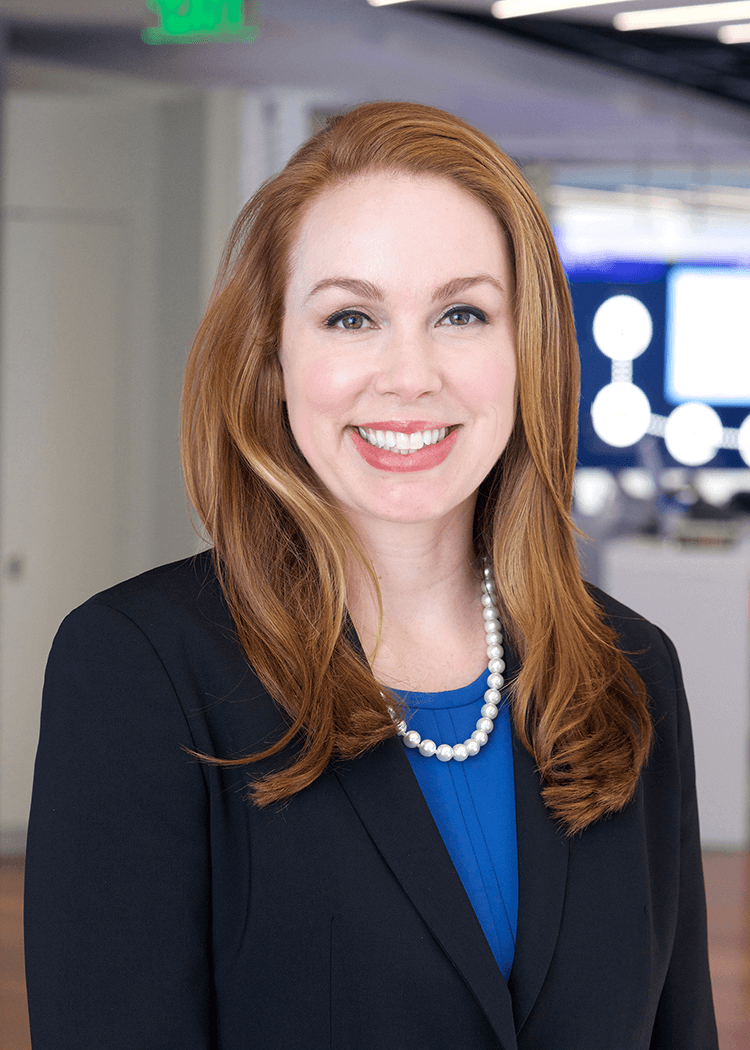
By Devon Womack, president

As we wrap up 2024, I’m honored to reflect on the year that The US Oncology Network has had and the impact we’ve made in bringing the most effective and innovative cancer care to patients in their local communities.

Advancing our mission

In 2024, we welcomed Tennessee Cancer Specialists and Illinois CancerCare to The Network. By adding these practices to our organization, we are fortified by new ideas and new best practices, ensuring community care remains strong.

We also added over 60 physicians to existing practices in The Network, showing that we are delivering on our commitment of being a best place to work.

Finally, I’m thrilled we renewed our agreement with Rocky Mountain Cancer Centers. We are only as strong as the practices in our network, and this renewal solidified our combined strength.

Innovating for tomorrow

An area where we are differentiating ourselves is in innovation – we’re keeping an eye toward the future and making sure that we are well-positioned to offer the very best to patients.

Our collaboration with Sarah Cannon Research Institute is compelling – creating tremendous momentum in enrolling patients in trials that will bring new therapies to the market. We enrolled over 1,200 patients this year, and I’m excited to see this number grow in the new year.

With precision medicine at the forefront of cancer care, The Network is focused on increasing biomarker testing by alleviating the burden of test ordering, delivering molecular results directly into the EHR, and providing a variety of educational opportunities on the latest in precision medicine.

Putting patients at the center

We remain committed to delivering value to patients – and one way this is evident is through the increased use of Findhelp, the platform that assists in navigating social services, community resources, and referrals for patients. This year, practices in The Network referred more than 4,000 patients to community-based social services, showing our dedication to the whole patient beyond solely a cancer diagnosis.

We’ve also continued to demonstrate leadership in value-based care initiatives like the Enhancing Oncology Model, where we have 12 practices and over 1,500 providers participating. Practices in The Network make up almost 50% of the participants in the EOM.

Powering our network

At the core of The Network is the providers and staff in the practices each day, connecting with patients and thinking about how we can continue to bring the best care to communities. One of the greatest assets we can offer to practices in The Network is the opportunity to connect with others to share learnings and resources. Next year, I hope you’ll join us at McKesson Accelerate, where we’re building on The Network’s Annual Conference and creating a premier conference designed exclusively for community oncology practices. We hope to see you there!

ABOUT THE AUTHOR


Devon Womack
President

Gaps in health equity can contribute to sub-optimal outcomes

Maximizing the opportunities of achieving the best possible outcomes for cancer patients goes beyond the confines of the clinic. Addressing the needs of patients requires understanding and overcoming challenges related to socioeconomic factors and the environment. These challenges, often referred to as Social Drivers of Health (SDoH), encompass the conditions in the environments where people are born, live, grow, eat, play, and die.

SDoH can significantly impact an individual’s health outcomes and overall quality of life, as well as their access to quality medical care. When patients face obstacles in any of these areas, seeking healthcare or following through with their treatment plans becomes difficult. Therefore, it is crucial to help patients overcome these challenges and remove barriers that hinder their ability to concentrate on their treatment.

By assessing and addressing SDoH, we can enhance patients’ access to care and promote optimal outcomes. This approach not only improves their quality of life but also contributes to a more equitable healthcare system. By focusing on the needs of cancer patients beyond the clinic, we can make a significant impact on their treatment journey and ultimately improve their chances of achieving the best possible outcomes.

Challenges addressing SDoH barriers in community oncology

Addressing SDoH barriers comes with its own set of challenges for community oncology practices. Limited staff, tight budgets, and short appointment times make it difficult to comprehensively screen and connect patients with resources. Additionally, navigating fragmented social service systems and respecting patient privacy can add further complexity. In particular, rural community oncology practices must find innovative solutions to overcome these difficulties, which may be less accessible in rural areas, and ensure that patients receive the support they need to address their SDoH barriers.

Three practices in The US Oncology Network (The Network) – Shenandoah Oncology, Southern Cancer Center, and Willamette Valley Cancer Institute & Research Center – have experienced firsthand the difficulties patients encounter in accessing the resources needed to address SDoH barriers. Navigators had to manually search for social service programs, often finding outdated or inactive options, causing delays in connecting patients with appropriate services and causing frustration. Additionally, the limited availability of programs further hindered the ability to find solutions tailored to each patient’s specific needs.

Despite these hurdles, there’s growing support for integrating SDoH efforts into community oncology practices, with resources being developed to help connect patients with social services in their community. The Network has made it a priority to help patients address SDoH barriers so they can access high quality care, within their community.

Connecting patients to social services with The Network and Findhelp

To address the increasing socioeconomic and environmental challenges faced by cancer patients, The Network has partnered with Findhelp, a platform that assists in navigating social services, community resources, and referrals for patients. This collaboration allows for a more comprehensive level of support, efficiently connecting patients with the necessary assistance they require. By doing so, it promotes optimal outcomes for individuals who are often disadvantaged by various circumstances, thereby bridging the gap in health equity.

The implementation of Findhelp has brought significant improvements to Shenandoah Oncology, Southern Cancer Center, and Willamette Valley Cancer Institute & Research Center in their quest to connect patients with the social services they need. The platform has transformed the referral process, allowing practices to track the availability and activity of programs, ensuring patients are referred to active and relevant services. The ability to filter programs based on eligibility criteria has significantly improved efficiency, eliminating the need for manual searches through irrelevant options. Findhelp has also expanded the range of available programs, empowering navigators to educate patients on how to utilize the platform effectively to find the assistance they require. This has not only increased the accessibility of resources for patients but also enhanced the overall patient experience.

By implementing Findhelp, The Network has successfully addressed the challenges practices faced prior to its adoption. The result is a streamlined referral process, improved patient access to vital resources, and increased efficiency for navigators. From June 2023 to June 2024 practices in The Network referred 3,116 patients to community-based social services. Findhelp has truly made a positive impact on practices in The Network, enabling them to provide comprehensive and effective support to their patients.

The Network’s ongoing commitment to empowering patients through addressing SDoH barriers

The Network is dedicated to making a significant impact in addressing SDoH barriers. With a firm commitment to this cause, The Network aims to increase closed loop referrals, a process in which Findhelp refers a patient to an agency and then follows up to ensure that the referral was completed and that the necessary services were provided, within 30 days post-referral by an impressive 65% during Fiscal Year 2024. This commitment is projected to positively impact over half a million patients, ensuring they receive the necessary support and resources to overcome SDoH barriers.

By actively working towards increasing closed loop referrals, practices in The Network demonstrate their dedication to providing comprehensive care to patients. This commitment will not only improve patient outcomes but also contribute to the overall well-being and quality of life for those facing cancer and SDoH challenges. The Network is proud to take a leading role in addressing SDoH and ensuring that patients receive the holistic support they need throughout their cancer journey.

By The Network’s editorial staff

As cancer care evolves at an increasingly rapid pace, The US Oncology Network stands at the forefront of community oncology, dedicated to advancing care and enhancing patient outcomes. Leading this charge is our new president Devon Dickey Womack, whose appointment marks a significant milestone in our journey towards setting new standards in oncology care. With an unwavering commitment and a visionary approach, she is poised to steer The Network through its next phase of growth and innovation, ensuring that we support practices as they continue to deliver best-in-class care.

With a 14-year tenure with The Network and McKesson, Devon is a familiar face and brings deep expertise and dynamic leadership to her new role. Most recently as the chief operating officer of The Network, she made great strides in ensuring practices have the resources they need to operate efficiently and deliver cost-effective, high-quality patient care. She led the launch of The Network’s “Time to First” strategy to improve patient access. Through this initiative, more than 70% of practices in The Network reduced the time for patients to complete their first consult with their oncologist.

Additionally, Devon continues to pave the way for research expansion with eleven practices in The Network entering into new research agreements with Sarah Cannon Research Institute (SCRI).  We are already exceeding our initial treatment trial accruals goal, starting the fiscal year off strong. Our goal is to ensure that more patients have access to modern cancer therapies and treatment trials. Advancing cancer research to make these therapies a reality for everyone happens in the community setting.

Devon is deeply committed to the development and support of oncology practices and their ability to deliver top-tier care, aiming to support more than 25% of cancer patients across the nation. Under her leadership, The Network is continuing to double down on its focus on patient care models that encompass not only state-of-the-art treatments but also psychological and social support for patients and their families.

As she takes the helm of The Network, Devon is enthusiastic about the potential for transformative change in community oncology. Her vision encompasses a broad spectrum of initiatives aimed at enhancing patient care through technological innovation, precision medicine, operational excellence and practice growth.

“There is much to be optimistic about in the future of community oncology. Our commitment lies in providing cutting-edge care, right in your own backyard,” says Devon. “Together, we will ensure that patients receive world-class treatment, while fostering an environment where practices, physicians and care teams can thrive and make a lasting impact on their communities.”

As we embark on this exciting new chapter under Devon’s leadership, The Network is positioned not only to meet the current demands of oncology care but to anticipate and respond to future challenges. Her strategic vision, coupled with a relentless dedication to excellence, will guide The Network as the leader in community oncology, setting the standard for care, compassion and innovation.