Devon Womack
President
Home » Technology
As we reflect on the past year, it’s clear that meaningful change doesn’t happen in isolation. It grows from shared commitment, collective effort, and the relationships we nurture along the way. Progress this year came through collaboration—working side by side with practices in The Network to create solutions that make a lasting difference for providers and the patients they care for. We focused on building connections and laying the foundation for sustainable growth, to continue delivering exceptional care close to home well into the future. Through thoughtful partnerships and innovative approaches, The Network is positioning itself to meet the needs of tomorrow.
The Network Today: Strength and Momentum
This year, our footprint continued to grow by welcoming Florida Cancer Specialists & Research Institute along with a number of new practices that joined current partners like Millenium Physicians (Texas Oncology), ChristianaCare (Medical Oncology Hematology Consultants), and Colon and Rectal Surgical Associates (Minnesota Oncology). We also renewed our agreement with Southern Cancer Center, reinforcing our shared commitment to community oncology.
Through these new practices and strategic recruiting efforts for other practices, we welcomed over 900 new providers to existing practices in The Network—expanding expertise and strengthening care teams to meet the evolving needs of patients and communities.
This scale matters because it highlights our national reach and the ability to keep care close to home for patients while providing strong support for practices. Behind these numbers are real results that amplify the collaborative efforts, the strength, and the momentum of The Network and the impact we are making together.
Here are a few highlights from 2025:
- Accelerate: In early November, we joined 1,500 other physicians, clinicians, practice leaders, and industry experts in Las Vegas for the inaugural McKesson event to ignite the future of community oncology.
- Clinical Research: Our partnership with SCRI boosted trial enrollment by 33%, which not only improves patient access to cutting-edge clinical therapies but also can help achieve better outcomes.
- Technology: Over 1,000 providers have leveraged DeepScribe AI for ambient AI noting, saving on average 2-3 hours per week, helping to reduce provider burnout.
- Patient Experience: Across The Network, patient access has increased, leading to a 70% reduction in patient wait times across our practices.
- Value-Based Care: Through the Enhancing Oncology Model (EOM) performance periods 1 & 2, our efforts delivered $88 million in gross savings for Medicare compared to benchmark, with Network practices representing over 50% of patients, reinforcing our commitment to leadership in high-quality, cost-effective care.
- Advanced Therapies: We are bringing next-generation cancer care into community settings through bold investments, practice-led resources, and integrated surgical partnerships that create true centers of excellence. All practices in The Network support bispecific therapies, with several offering options for CAR-T, and over half of our practices providing radiopharmaceutical treatment options to patients.
- Public Policy: Physician-led engagements, such as congressional fly-ins and targeted Capitol Hill visits, actively lobbied Congress to advance site-neutral reimbursement policies, ensuring community oncology practices receive equitable payments regardless of care setting, and influenced other issues, including telehealth access, prior authorization reform, and cancer screening policies.
- Precision Medicine: Through the Precision Care Companion program, 12 practices across The Network are advancing personalized cancer care in the community. This initiative integrates education, clinical support, technology, data analytics, and best practices to bring precision oncology closer to home for patients.
However, when we talk about growth and momentum, it’s not just numbers – growth means something deeper.
Investing in Practices
In 2025, we committed over $114 million in capital investments to strengthen practices and expand access to care. From modernized patient facilities at Virginia Cancer Specialists, to expanded service lines at Maryland Oncology Hematology that bring more services closer to home for patients, and new spaces for advanced therapies at Compass Oncology and Texas Oncology —these investments reflect our commitment to keeping cancer care local, accessible, and ready for the future.
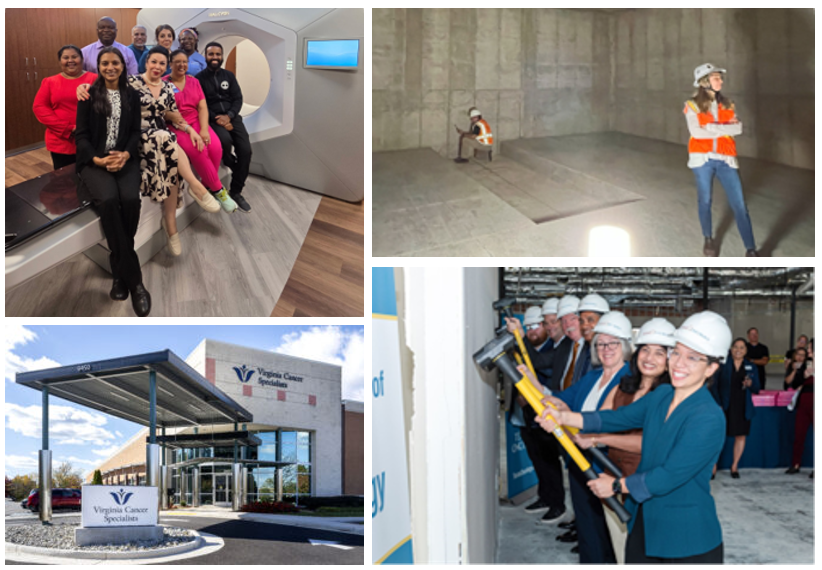
Maryland Oncology Hematology, Compass Oncology, Virginia Cancer Specialists, Texas Oncology
Meeting modern-day oncology challenges head-on demands a strategic partnership, scalable infrastructure, and innovation that works in the real world.
Looking Forward
The future of The Network is being shaped every day—through decisions, pilots, and conversations that reflect the shared commitment of our partners. Together, we are defining what success looks like and co-creating the next chapter of cancer care.
As we move forward, we’ll continue building this momentum—exploring new ideas, strengthening partnerships, and finding innovative ways to support practices and patients. We’re proud to navigate the future together. Because excellence in cancer care has a network.
ABOUT THE AUTHOR
Innovating Together Inside The Network Series
Radiation oncology is undergoing a remarkable transformation. At The US Oncology Network (The Network), we’re helping lead this change by integrating precision imaging, artificial intelligence (AI) tools, and radiopharmaceuticals into clinical practice. These innovations are not only enhancing how we deliver care—they’re redefining what’s possible for patients and providers alike.
Unlocking New Precision with Imaging
Today’s imaging technologies are giving clinicians a clearer, more detailed view of tumors than ever before. Physicians in The Network use state-of-the-art Positron Emission Tomography – Computed Tomography (PET-CT) with novel imaging agents to detect tumors when they are small. Improved imaging and advances in radiation treatment allow these small tumors to be treated precisely with large doses while sparing nearby healthy tissue. The ability to detect tumors early and treat them precisely and safely is a powerful combination in the fight against cancer.
Streamlining Care with AI
AI is already making a measurable impact across The Network. AI-enabled tools like auto-contouring have significantly reduced planning time, helped with workforce shortages and improved consistency. As AI continues to advance, it is increasingly integrated into planning workflows, supporting clinicians in accelerating treatment starts. [1] These efficiencies help care teams dedicate more attention to clinical decision-making and patient interaction—delivering care that’s not only faster, but more personalized. Additionally, AI-enabled note generation saves physicians time and improves note quality. These efficiencies allow care teams to focus more on clinical decision-making and patient interaction—delivering care that’s not only faster, but more personalized. To ensure practices have the best solutions for their needs, The Network sponsors significant efforts to evaluate AI tools on an ongoing basis.
Expanding Options with Radiopharmaceuticals
Radiopharmaceuticals are emerging as a powerful new option for patients with cancers that are difficult to treat using traditional methods. Physicians in The Network can deliver cancer-targeting radioactive molecules that prolong life and slow down cancer. These therapies offer a new level of precision and hope. Adoption in The Network has been rapid with 20 practices now offering radiopharmaceuticals. Additionally, research expertise through the Sarah Cannon Research Institute allows practices to participate in developing the next generation of even more effective radiopharmaceuticals.
Delivering Better Outcomes Today—and Preparing for Tomorrow
The impact of these advancements is already being felt—patients are starting treatment sooner, experiencing fewer side effects, and benefiting from more effective therapies. As AI and radiopharmaceuticals continue to evolve, The Network is committed to staying at the forefront of innovation in community-based cancer care.
Explore how our Radiation and Imaging program is advancing care—click to learn more.
About the Series
Innovating Together Inside The Network
At The US Oncology Network, innovation is more than a concept—it’s a shared commitment to continuous improvement in cancer care. Through this blog series, we highlight the technology, programs, and efficiencies driving meaningful progress across The Network. From clinical advancements to operational enhancements, these stories reflect how we’re working together to elevate care, empower providers, and improve outcomes for patients—one innovation at a time.
[1]Court LE, Aggarwal A, Jhingran A, et al. Artificial Intelligence–Based Radiotherapy Contouring and Planning to Improve Global Access to Cancer Care. JCO Global Oncology. 2024;10:e2300376. doi:10.1200/GO.23.00376
In our unwavering commitment to transform cancer care, The US Oncology Network (The Network) and Ontada, a McKesson business, have joined forces to support the Cancer Moonshot initiative. This collaborative effort aims to revolutionize oncology treatment by leveraging cutting-edge technology and enhancing interoperability through the advanced framework of the Enhancing Oncology Model (EOM).
The Cancer Moonshot Initiative: A Vision for the Future
The Cancer Moonshot initiative, reinvigorated in 2022, aspires to reduce cancer death rates by 50% over the next 25 years. It emphasizes the importance of having seamless access to critical medical information to improve patient outcomes. This initiative aims to support patients and caregivers by creating a reliable healthcare system, particularly through the standardization and interoperability of electronic health records (EHRs).
Pioneering Innovation in Oncology
Ontada has partnered with the Department of Health and Human Services’ Office of the National Coordinator for Health Information Technology (ONC), the National Institutes of Health (NIH), and the Centers for Medicare & Medicaid Services (CMS) to advance oncology data standards. Early on, Ontada made the strategic decision to adopt mCODE (Minimal Common Oncology Data Elements), an HL7 industry standard designed to compile a core set of structured data elements for oncology electronic health records (EHRs). The Ontada and CMMI teams have created a high-tech solution to facilitate the reporting of key clinical data elements for the EOM program. Furthermore, by utilizing standardized data bolstered by Artificial Intelligence (AI), they have achieved a more comprehensive data set that can be seamlessly delivered via FHIR-based API functionality. This innovation supports interoperability, along with enhancing the accuracy and completeness of the data sourced from the EHR system. In turn, better access and utilization of this data leads to improved health outcomes and promotes health equity.
Pilot with Compass Oncology
In our ongoing commitment to advancing cancer care, The Network is thrilled to announce that Compass Oncology, utilizing iKnowMed as its primary EHR, will pilot Ontada’s innovative technology during the first performance period (PP1) of the Enhancing Oncology Model (EOM). The Compass Oncology quality improvement team, with their extensive experience as participants in the previous Oncology Care Model (OCM) program, possess a deep knowledge of quality reporting requirements and workflows essential for meeting program criteria successfully.
The Network’s participation in this pilot underscores our dedication to driving innovation in cancer care. By working closely with Ontada, The Network is contributing to the development of tools and practices that will enhance data accuracy, improve efficiency, and promote health equity across the oncology landscape.
The Benefits for Practices and Patients
Our collaborative efforts with the Cancer Moonshot initiative and other stakeholders are set to bring numerous benefits to oncology practices and patients:
- Enhanced Data Accuracy and Completeness: By standardizing data elements across EHRs based on FHIR, we ensure that healthcare providers have access to accurate and comprehensive patient information, facilitating better treatment decisions.
- Improved Efficiency: The implementation of AI/NLP technology will streamline data capture processes, allowing healthcare providers to focus more on patient care rather than administrative tasks.
- Promoting Health Equity: By ensuring that critical health information is accessible across different systems, we aim to improve care for patients in rural and underserved areas, thereby advancing health equity.
- Accelerated Research and Innovation: Standardized data opens new possibilities for faster research results and more effective public health interventions, driving continuous innovation in cancer care.
Our Commitment to Excellence
The Network’s dedication to the EOM program and the use of USCDI+ codes and FHIR API functionality underscores our commitment to advancing cancer care through technology. As a Qualified Clinical Data Registry-certified vendor for eight consecutive years, The Network has consistently demonstrated the ability to support and innovate within the oncology field. This year, we have also implemented Social Determinants of Health collection across 12 practices to support the EOM program.
Join Us in Shaping the Future of Cancer Care
As we advance in healthcare technology innovation, we encourage the oncology community to support and engage in efforts to make health information exchange more prevalent. The dedication and involvement of the healthcare community will propel us toward a more innovative, cohesive, and patient-centered future.
ABOUT THE AUTHORS
Wanmei Ou, Vice President, Product Life Sciences, Ontada: "Ontada's collaboration with The Network and the Cancer Moonshot initiative is a step towards revolutionizing cancer care. Through our cutting-edge AI technology and FHIR-compliant common data model, we are not only addressing critical interoperability challenges but also promoting health equity and accelerating research in oncology."
Erin Crum, Senior Director, Quality Strategy and Innovation, The Network: "Our partnership with Ontada and the Cancer Moonshot initiative exemplifies our commitment to transforming oncology care. By leveraging advanced AI and interoperability, we are pioneering innovations that enhance data accuracy and improve patient outcomes, ultimately driving significant advancements in cancer treatment."
Scott Rushing, MD, MBA, Practice President, Compass Oncology: “Compass Oncology is excited to participate in this groundbreaking pilot with The Network and Ontada. This initiative will enhance our practice by leveraging advanced AI technology and improving data interoperability, ultimately leading to better patient outcomes and more efficient cancer care."
By Marcus Neubauer, MD, Chief Medical Officer
The Network was thrilled to host another installment of our Annual Conference last month in Indianapolis. It’s always hard to top the previous year, but we just may have on the heels of tremendous growth of The Network and the excitement for what we are accomplishing together.
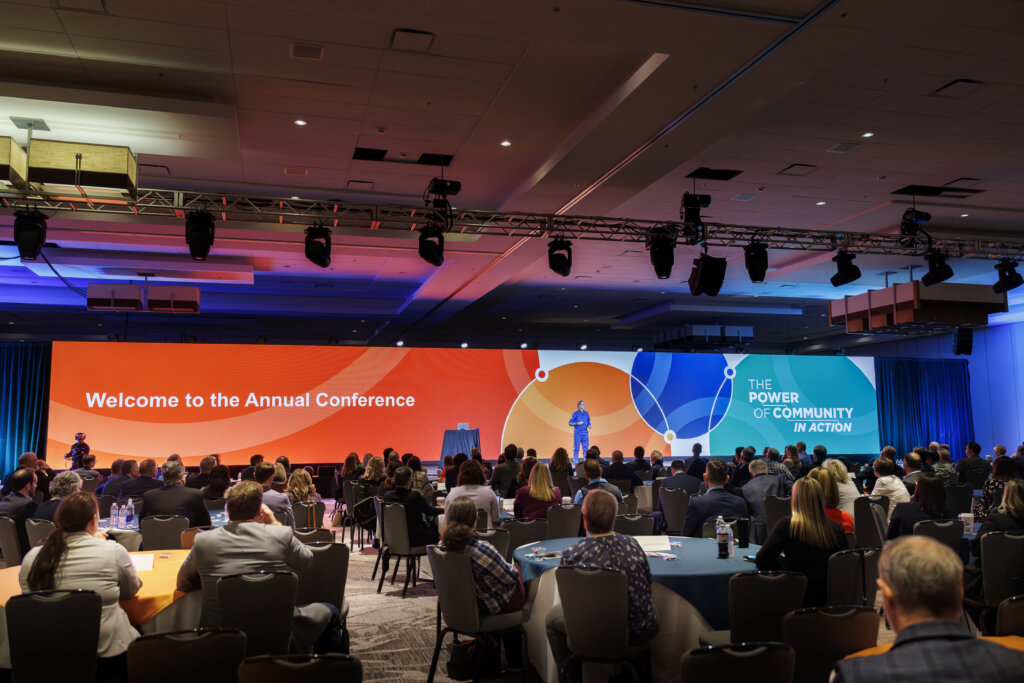
The Annual Conference is our signature event, and we were honored to host leaders from practices in The Network as we came together to hear insights on trends in oncology and network with our peers. I feel more energized than ever after the conclusion of the event and know that many who attended feel the same way. The power of The Network was palpable!
Here are a few of my takeaways from this year’s Annual Conference:
The tenacity and ingenuity of practices in The Network is remarkable
The theme of this year’s conference was “the power of community in action” – and I heard countless examples of how practices in The Network are living this every day. When a challenge is identified with the patient experience or clinic workflows, we work together to develop innovative and enduring solutions.
A great example was one that Jason Hammonds shared in his opening session: an initiative at Texas Oncology to redefine how the practice engages with new and existing patients. It is called “Project Touchpoint” and it is a first-of-its-kind, customized platform that uses AI-generated phone triage to capture incoming calls and solve for the issue on the first call. This has shown to significantly reduce unanswered calls.
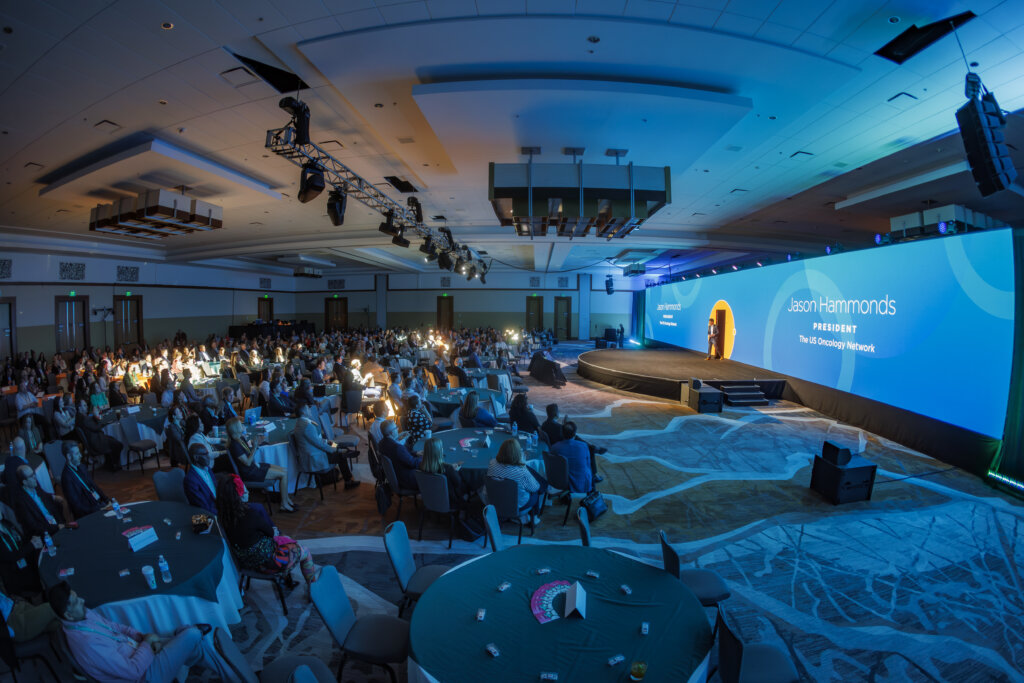
Across The Network, the patient experience is at the core of innovation and Devon Womack spoke in her session about the investments we are making in this area. Devon reported on a Network-wide initiative to reduce the time to schedule new cancer patients.
We are making tremendous strides in advancing therapies for patients through research
We recently marked the first full year of our joint venture with Sarah Cannon Research Institute (SCRI), a partnership that is elevating clinical cancer research and advancing therapies available for patients. At the Annual Conference, we heard through a panel presentation that more trials are now available to practices in The Network and time to open a trial is much faster with SCRI. This leads to more clinical trial opportunities for patients.
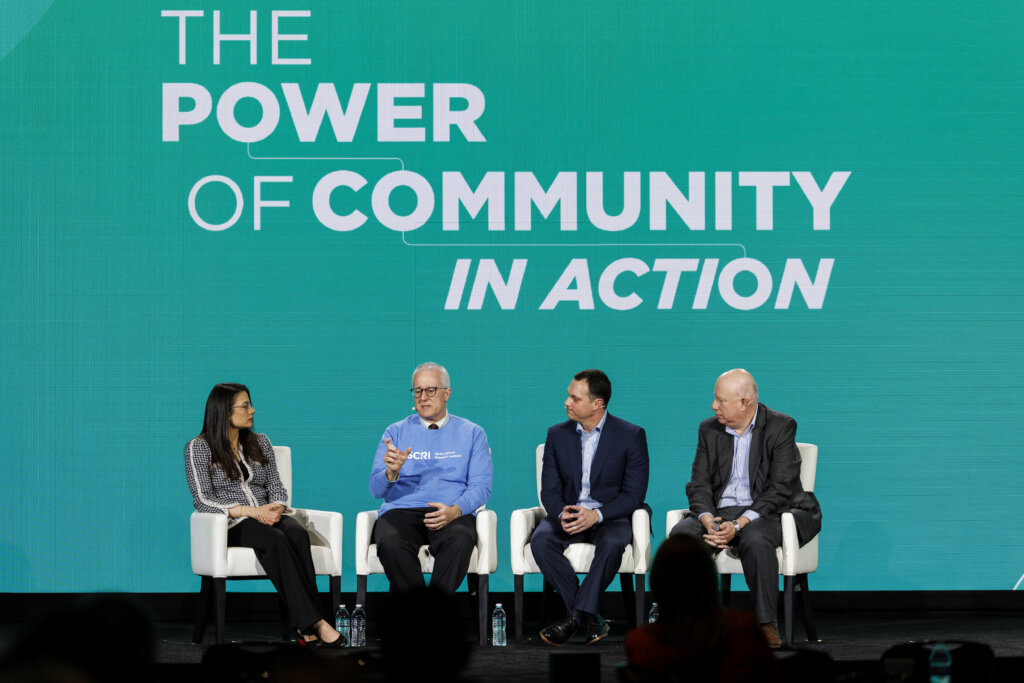
In addition, Genospace is helping practices in The Network solve one of the most complex challenges in research – identifying eligible patients. Among Genospace’s many functions is the ability to connect biomarker test results with each practice’s clinical data from their electronic health record. This provides advanced clinical trial matching and we’re already seeing practices realize the results of leveraging this technology. We will continue to see more synergies with SCRI and more benefits to the patient as time progresses.
Our focus on precision medicine is ensuring patients receive the most effective treatment possible
In The Network, we’ve been developing a cutting-edge precision medicine program that supports practices in ordering biomarker tests and the use of targeted therapies. Trends presented at the Annual Conference show that this program is taking off.
The team has focused their efforts in three areas: education, workflow and technology. Spanning these areas is the implementation of a genomic ordering module within iKnowMed℠, our oncology electronic health record, to provide practices with National Comprehensive Cancer Network® (NCCN®) testing alerts at the time of diagnosis and staging. The team is also utilizing Genospace for automated biomarker result integration and is continuing to build out the shared capabilities between our organizations. This work is ensuring more patients are receiving the most effective treatments.
While I’ve shared three takeaways here, we discussed a number of other topics at the Annual Conference, including value-based care, public policy, best practices and more. The expertise and the passion in The Network is unmatched and it’s wonderful to be reminded of our collective power when we come together!

ABOUT THE AUTHOR

Marcus Neubauer, MD
Chief Medical Officer