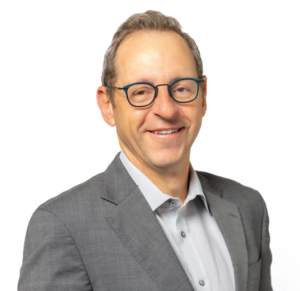
Marcus Neubauer, MD
Medical Director, Professional Wellbeing
Home » wellness
After many years in oncology, I have come to appreciate this work asks more of physicians than clinical expertise alone. We walk alongside patients and families through uncertainty, loss, and hope, often over many years. In addition, as community oncologists, we have to stay viable as a practice so we can keep our doors open and continue to provide access to high-quality care close to patients’ homes.
Maintaining professional wellbeing in community oncology has become increasingly challenging, not because physicians are less resilient or less committed, but because the environment in which we practice has grown more complex. Preserving the health of the physician workforce is more important than ever because, in the face of this added challenge, there is a growing shortage of oncologists.
The Enduring Importance of Community Oncology
Community oncology plays a critical role in the cancer care ecosystem. It delivers advanced therapies close to home, maintains continuity across the patient journey, and fosters long-standing relationships between clinicians and patients. For many individuals, community practices are where trust is built and sustained.
As physicians, we know our patients beyond their diagnoses. We understand their families, their barriers to care, and their preferences. That proximity improves the care experience and often leads to better outcomes. It is one of the reasons many of us chose community practice in the first place.
Yet the sustainability of this model depends on more than clinical excellence alone. When operational and administrative demands grow unchecked, they begin to erode the very aspects of practice that make community oncology distinct.
Recognizing Professional Fatigue for What It Is
Burnout and professional fatigue are not new to oncology, but they have intensified. The rapid pace of therapeutic innovation, shifting reimbursement models, workforce shortages, and expanding regulatory requirements have changed the daily reality of practice.
Too often, physicians internalize this strain as a personal shortcoming. In truth, it is largely structural.
Physicians are trained to diagnose, treat, and lead clinical teams. We are not trained to manage increasingly complex business operations, oversee compliance infrastructure, negotiate payer contracts, or optimize revenue cycle performance—especially not on top of full clinical schedules. Furthermore, the electronic health record assignments and documentation requirements have left many oncologists treading water.
When these responsibilities fall disproportionately on physicians, the cost is measured in longer hours, diminished time with patients and colleagues, and emotional exhaustion. Over time, that strain threatens both individual wellbeing and the long-term viability of community practices.
Support as a Means of Preservation, Not Replacement
When aligned with physician‑led care, management service organizations can enable community practices to preserve what matters most. The goal is not to redefine the practice of medicine, but to preserve it.
Effective support is fundamentally about enabling community oncologists to focus on their highest-value work: caring for patients, leading clinical teams, mentoring the next generation, and shaping the future of oncology in their communities.
When done well, this support strengthens—not diminishes—clinical autonomy.
What Structured Support Provides to Practices
Management service organizations (often referred to as MSOs) can bring capabilities that are difficult for individual practices to maintain alone, particularly as the healthcare environment grows more complex. These capabilities often include centralized operational and administrative support, revenue cycle management expertise, compliance and regulatory infrastructure, and access to data and analytics that support quality and value-based care initiatives.
They may also provide workforce support—helping practices recruit, train, and retain staff in an increasingly competitive environment—as well as technology optimization that improves efficiency without disrupting care delivery.
Importantly, this type of support can bring greater financial stability and predictability, allowing practices to plan strategically rather than operate reactively.
Equally meaningful is what structured support takes off the physician’s plate.
It reduces the cognitive load of managing non-clinical complexity, alleviates the pressure of navigating regulatory and reimbursement changes in isolation, and minimizes the need for physicians to divide attention between patient care and business operations. Just as importantly, it creates opportunities for physicians and practice leaders to connect with peers who are navigating similar challenges—reducing professional isolation and enabling practical best practices to be shared across like‑minded teams.
In doing so, support organizations help create space—for thoughtful clinical decision‑making, for leadership development, for collaboration, and for personal restoration. That space is not incidental. It is essential to sustain engagement and purpose over a long career.
Wellbeing as a Shared Responsibility
Physician wellbeing is often framed as an individual responsibility, addressed through resilience training or personal coping strategies. While those approaches have value, they are insufficient without systemic support.
Wellbeing must be viewed as a shared responsibility—one that recognizes the realities of modern oncology practice and responds with infrastructure, partnership, and intentional design.
When physicians are supported by organizations that respect the complexity of their work, professional fulfillment becomes more attainable, and patient care benefits as a result.
Looking Ahead
Community oncologists remain deeply committed to their patients and their communities. That commitment has not changed. What must continue to evolve is how we support the physicians who carry it.
With the right balance of clinical leadership and operational support, community oncology can remain both sustainable and deeply human—ensuring that physicians are able not only to endure their careers, but find meaning and longevity within them.